Learning circuits, robotics, embedded systems and electronics applications.
Student-Led Computer Assembly Unit · MMS Centre of Excellence
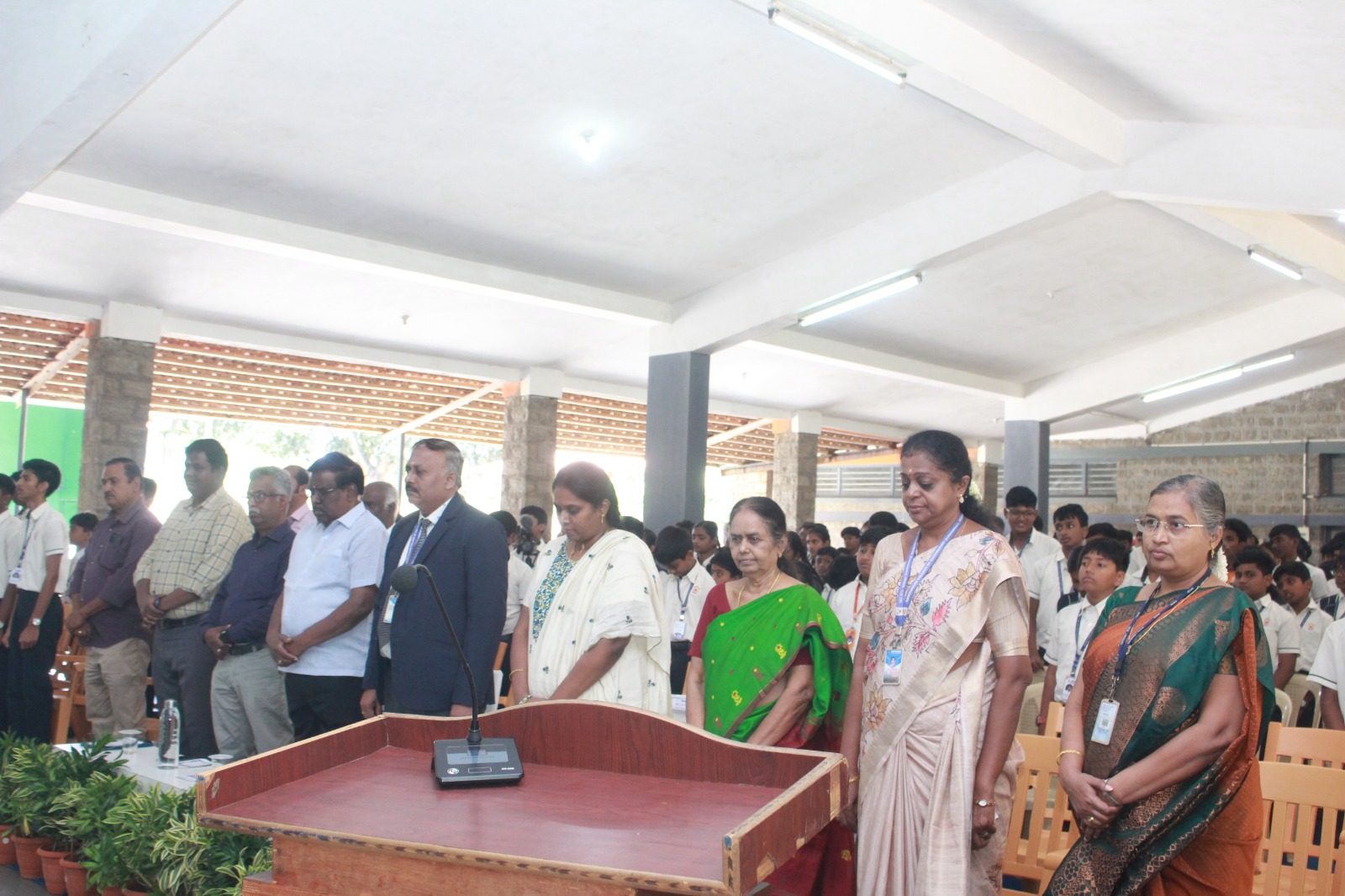
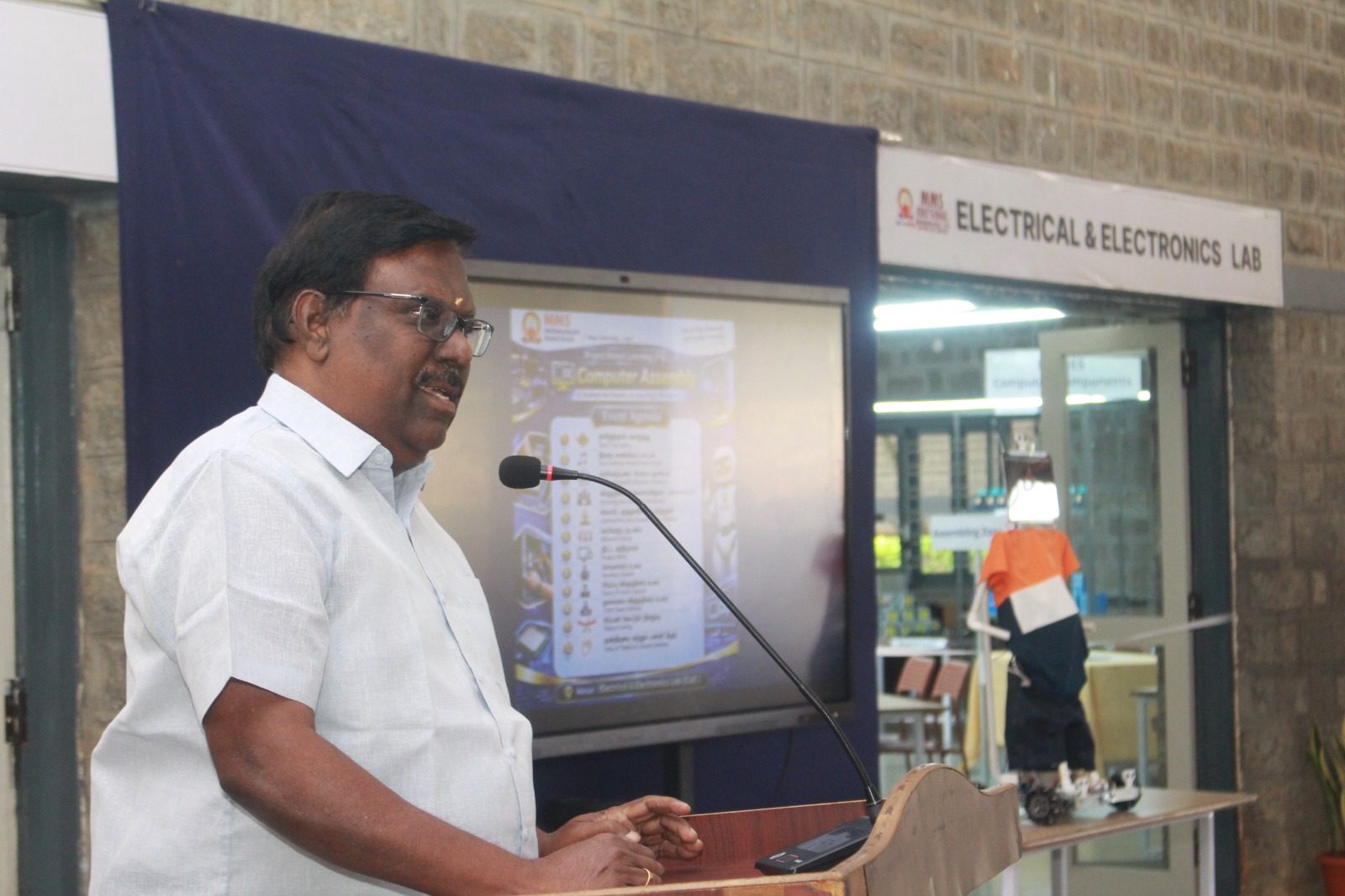
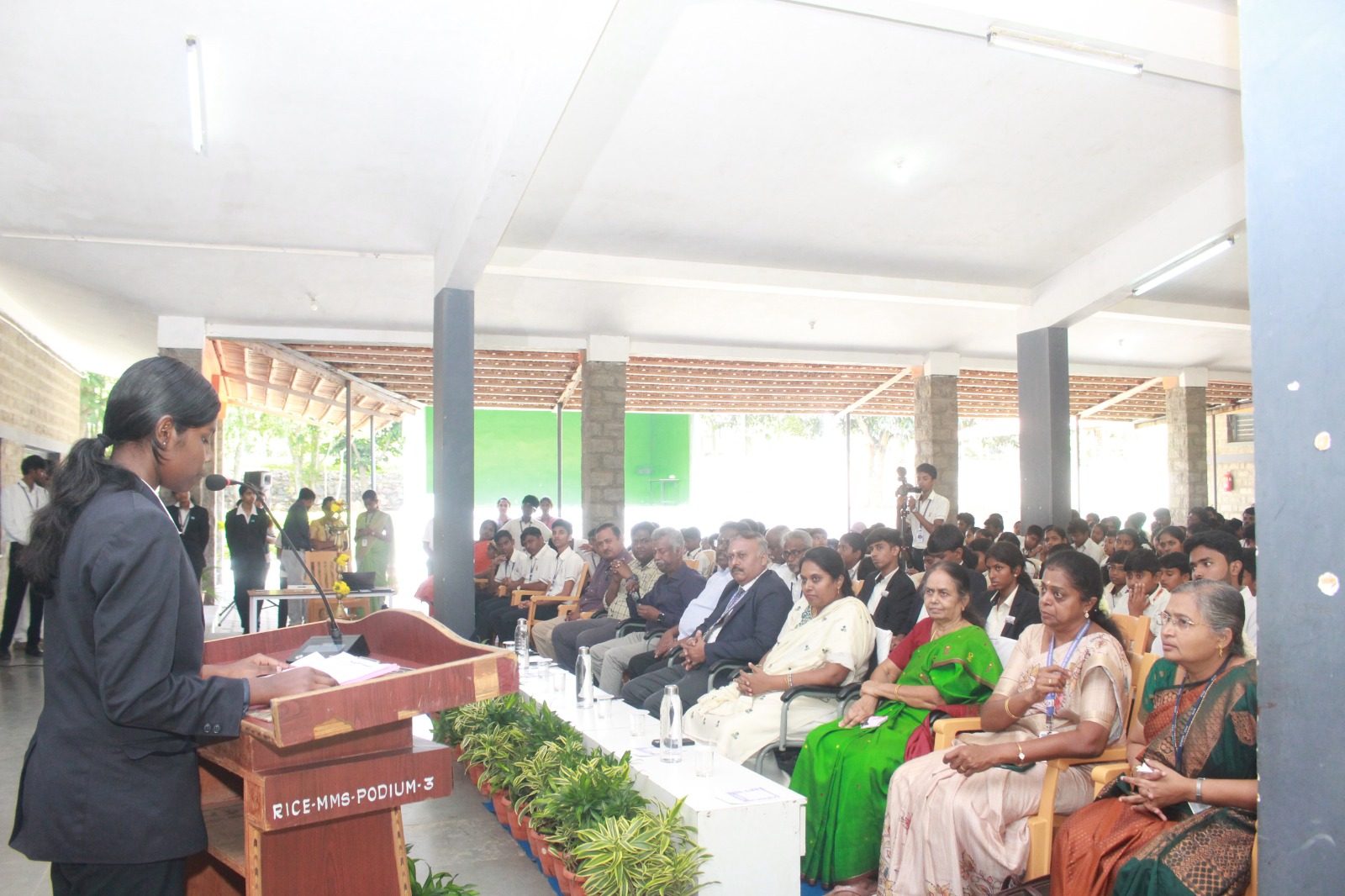
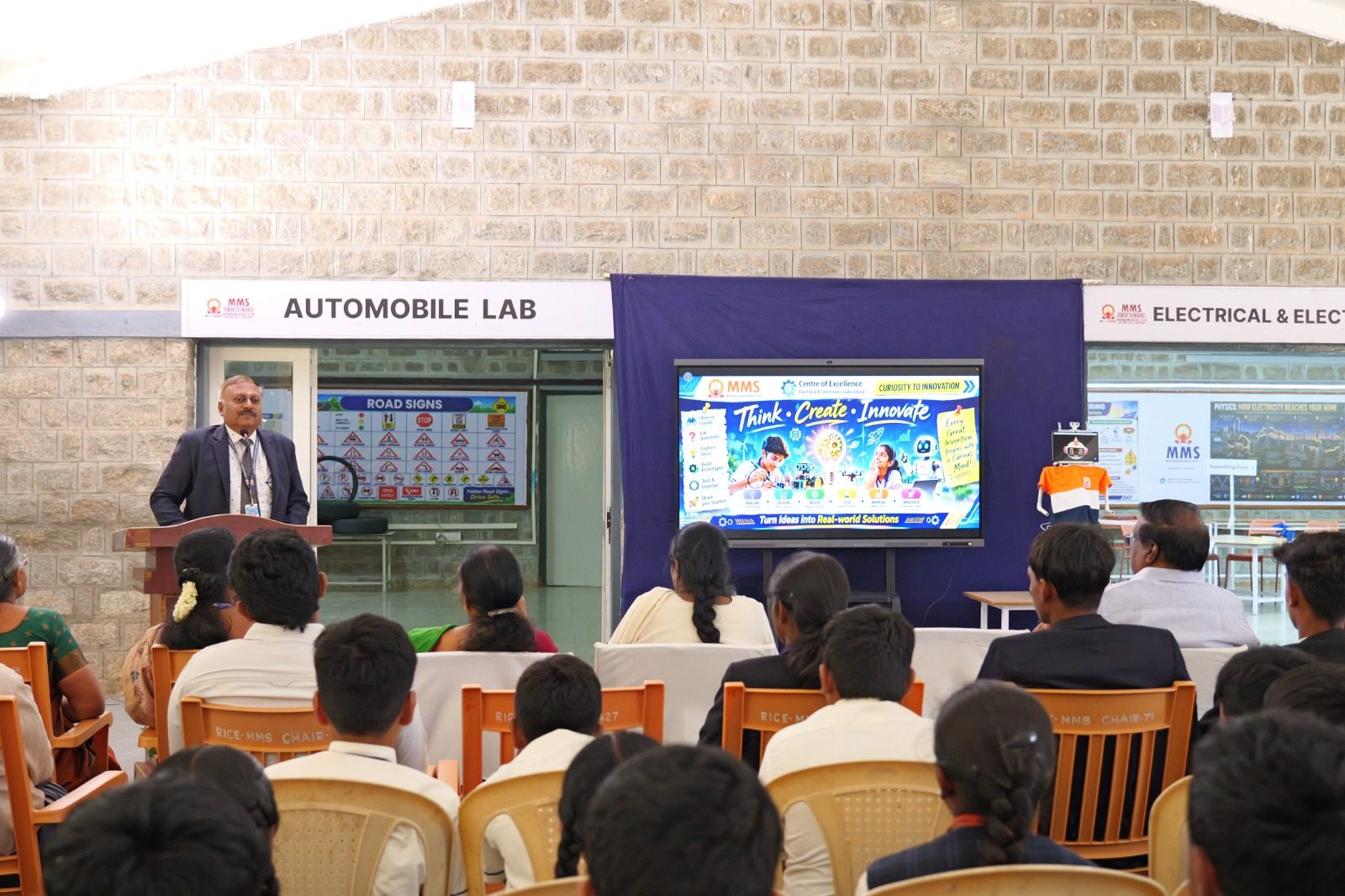
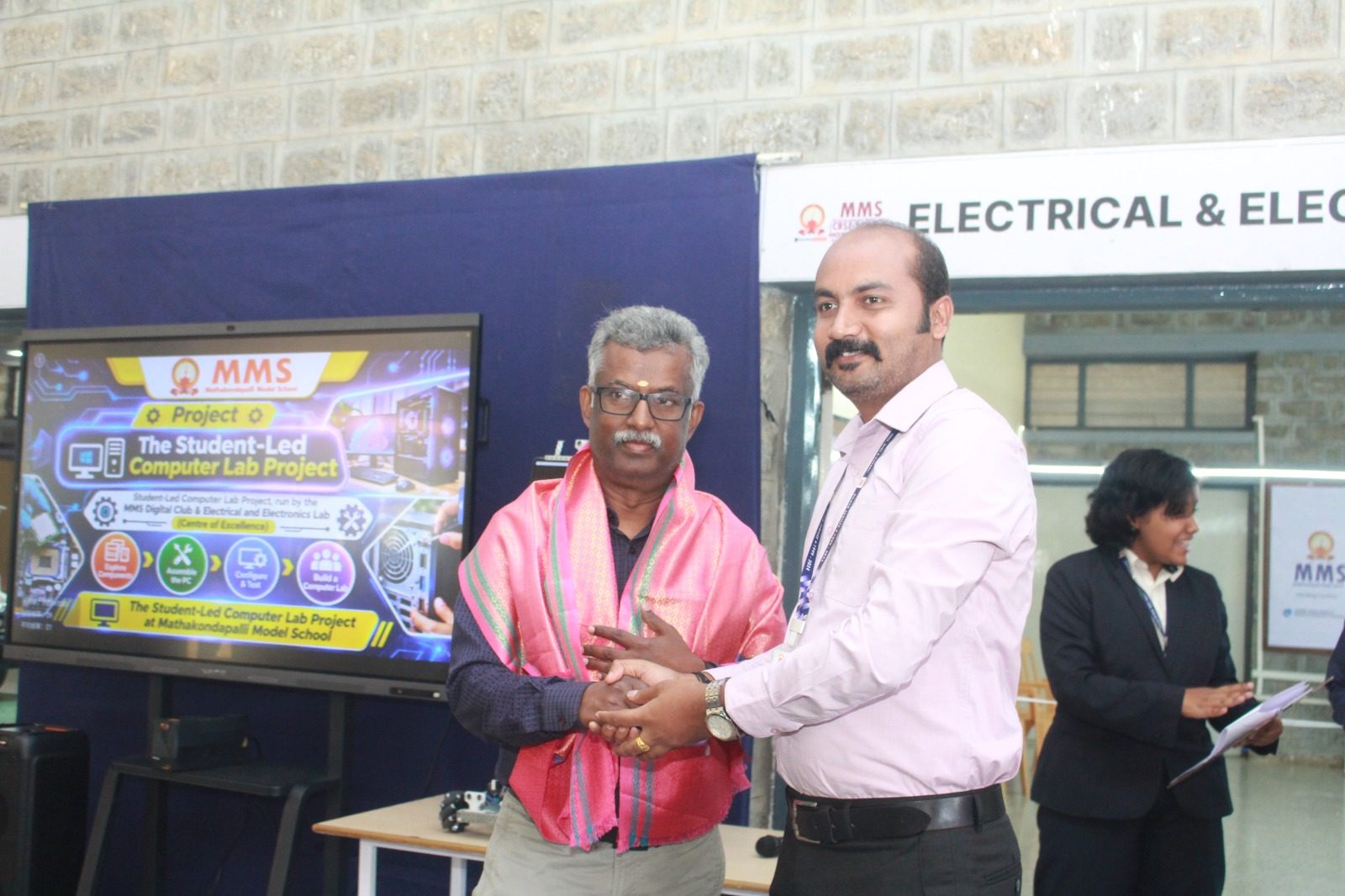
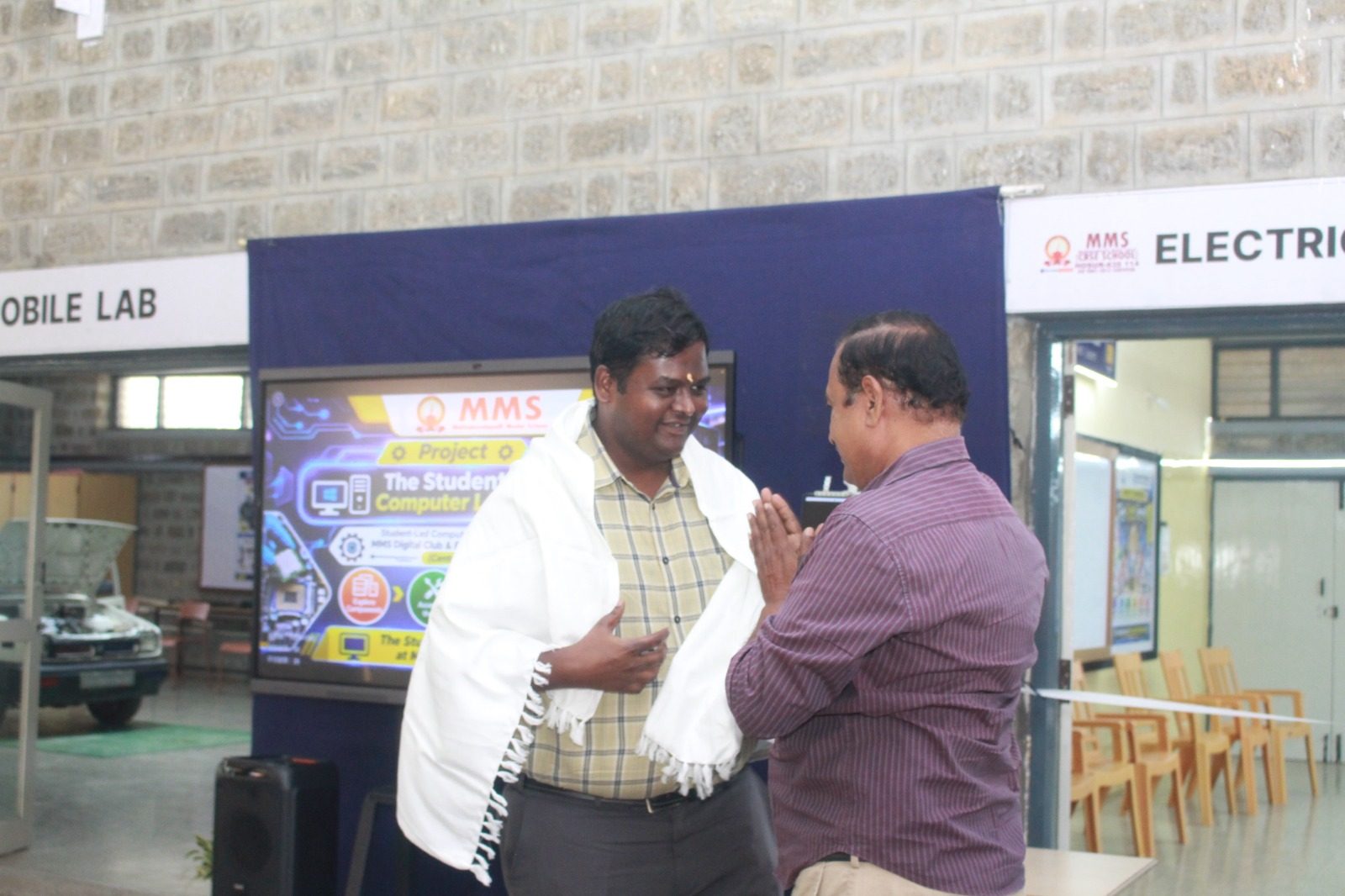
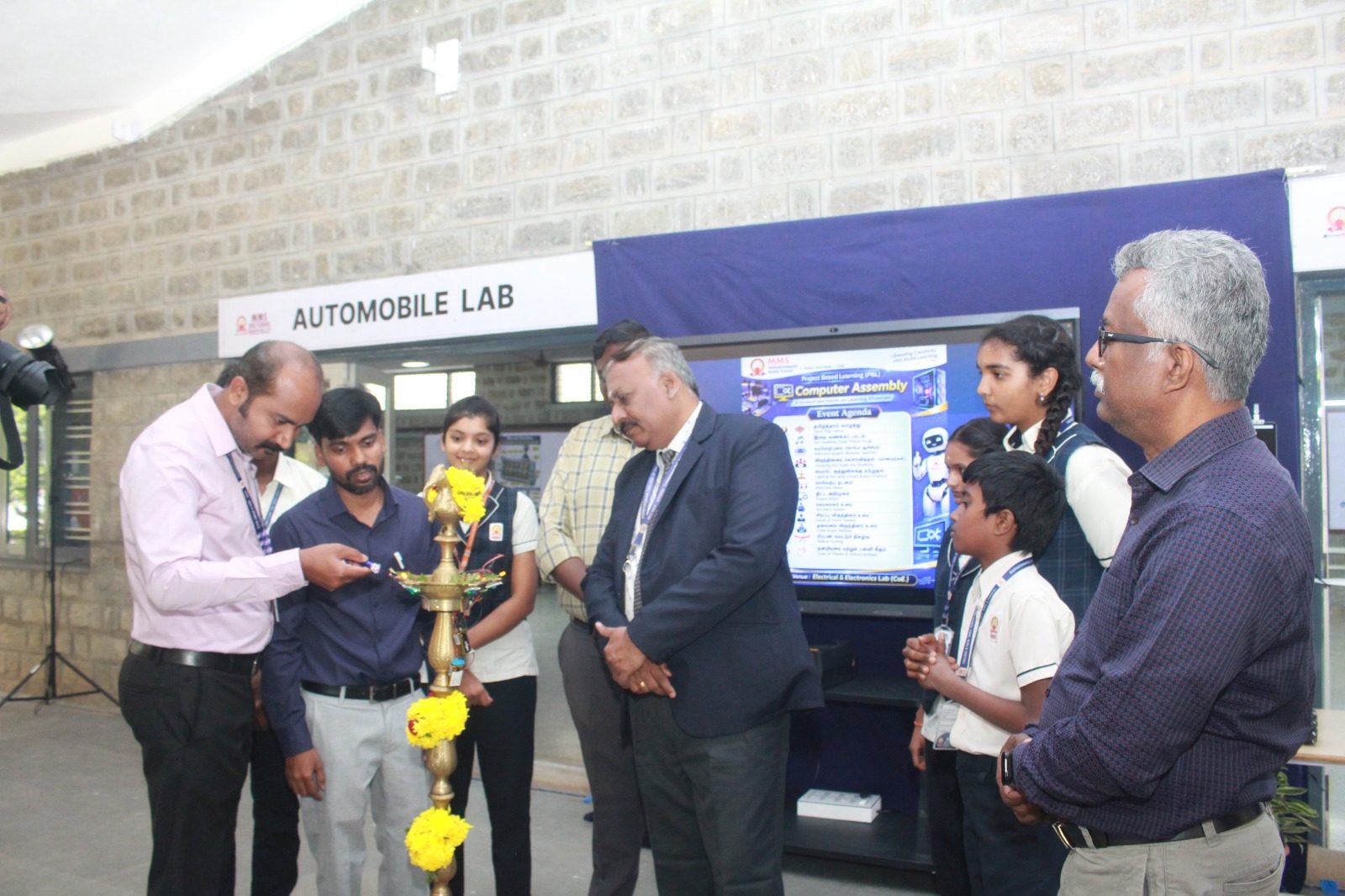
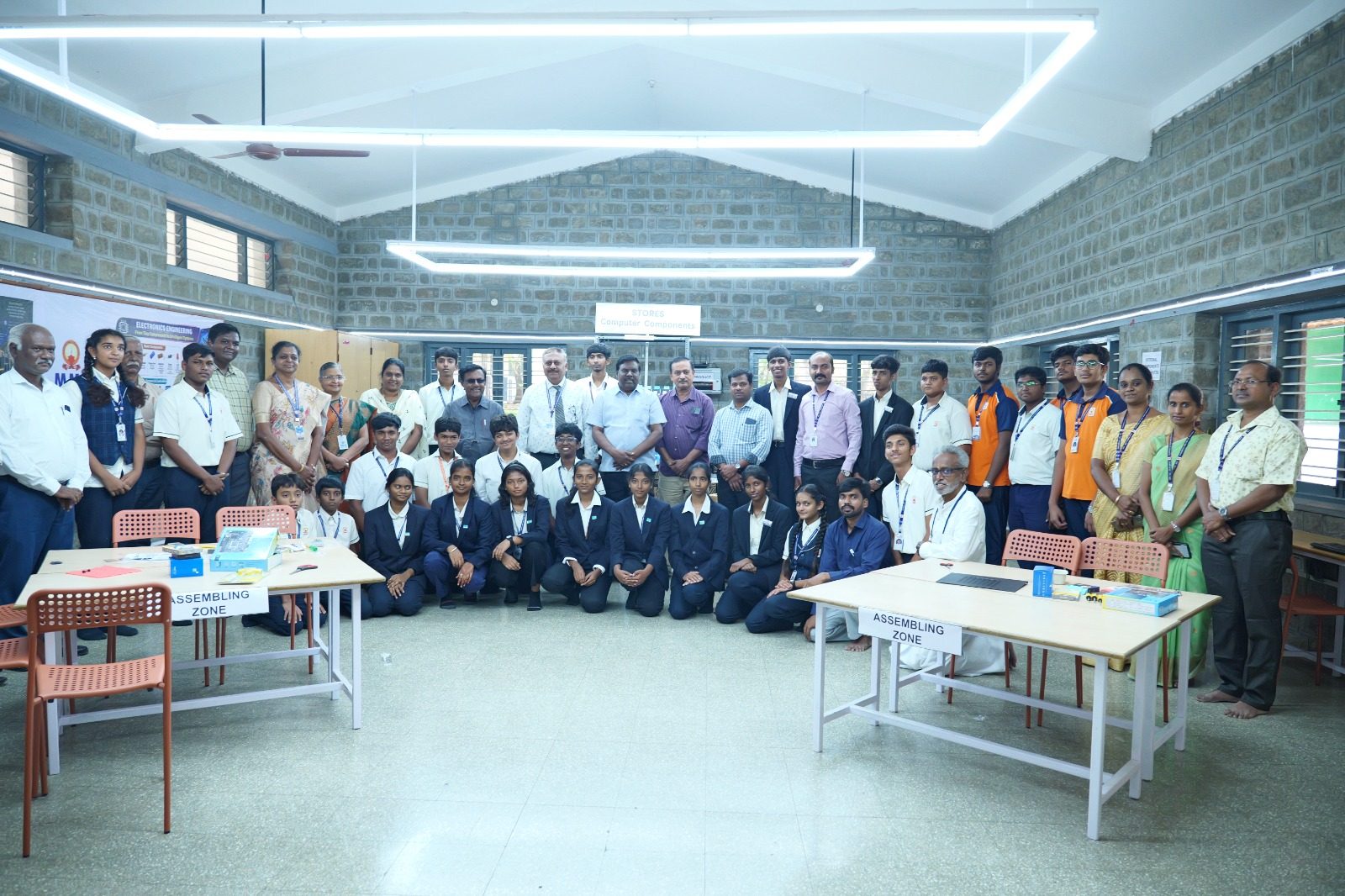
Mathakondapalli Model School inaugurated its Student-Led Computer Assembly Unit on 11 November 2026, giving students a laboratory of their own where they assemble, configure, test and maintain computer systems themselves.
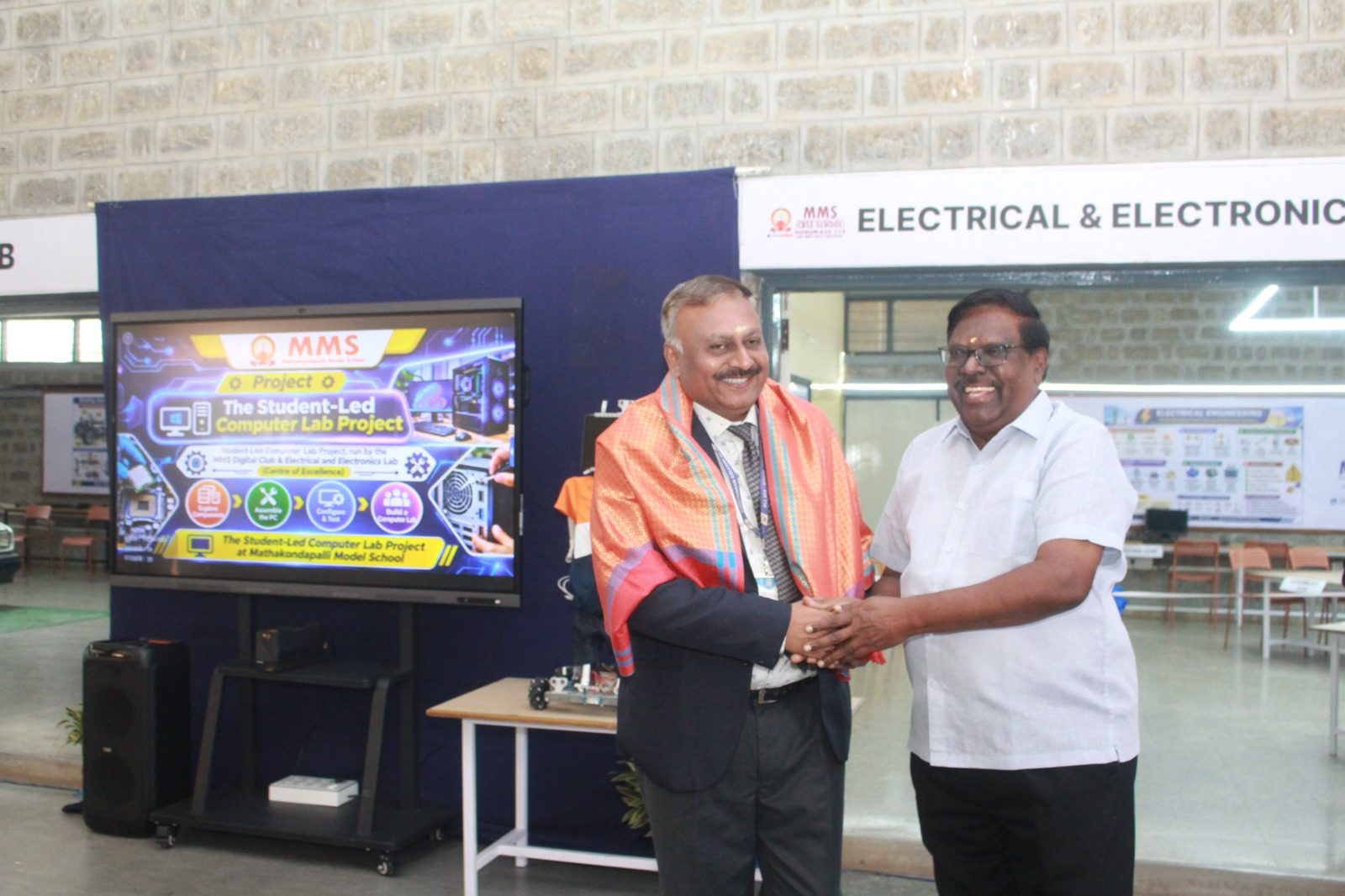
Chief Guest: Prof. Dr. R. Dhanasekaran, Dean, Industry Relations, Adhiyamaan College of Engineering, Hosur.
Guest of Honour: Mr. Baskar Susai, Consultant, IBM, Bengaluru.
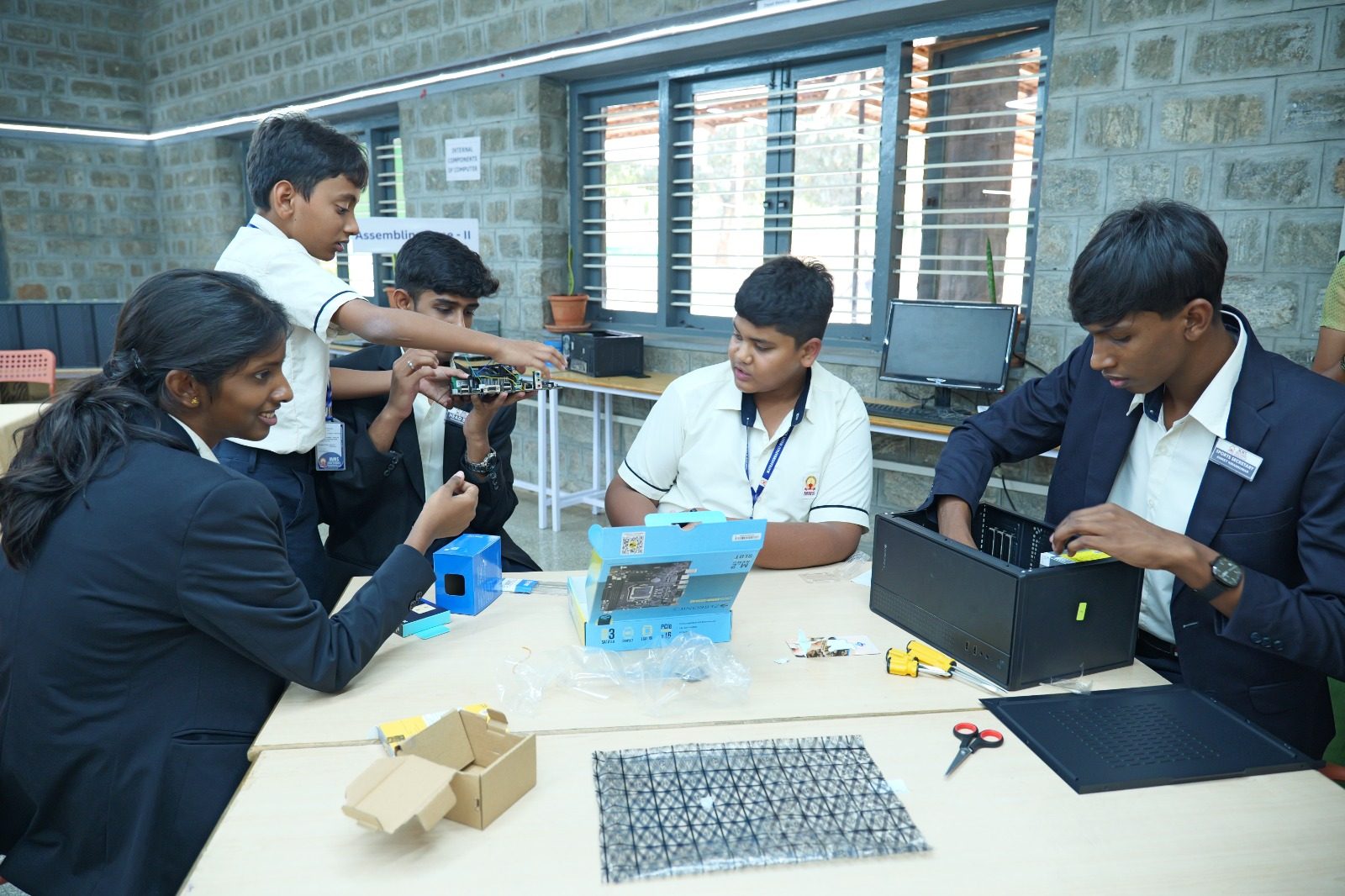
Fifteen students from Classes VI to XI, organised into three teams, are taking active ownership of this unit, from planning and assembling to installing and maintaining the systems.
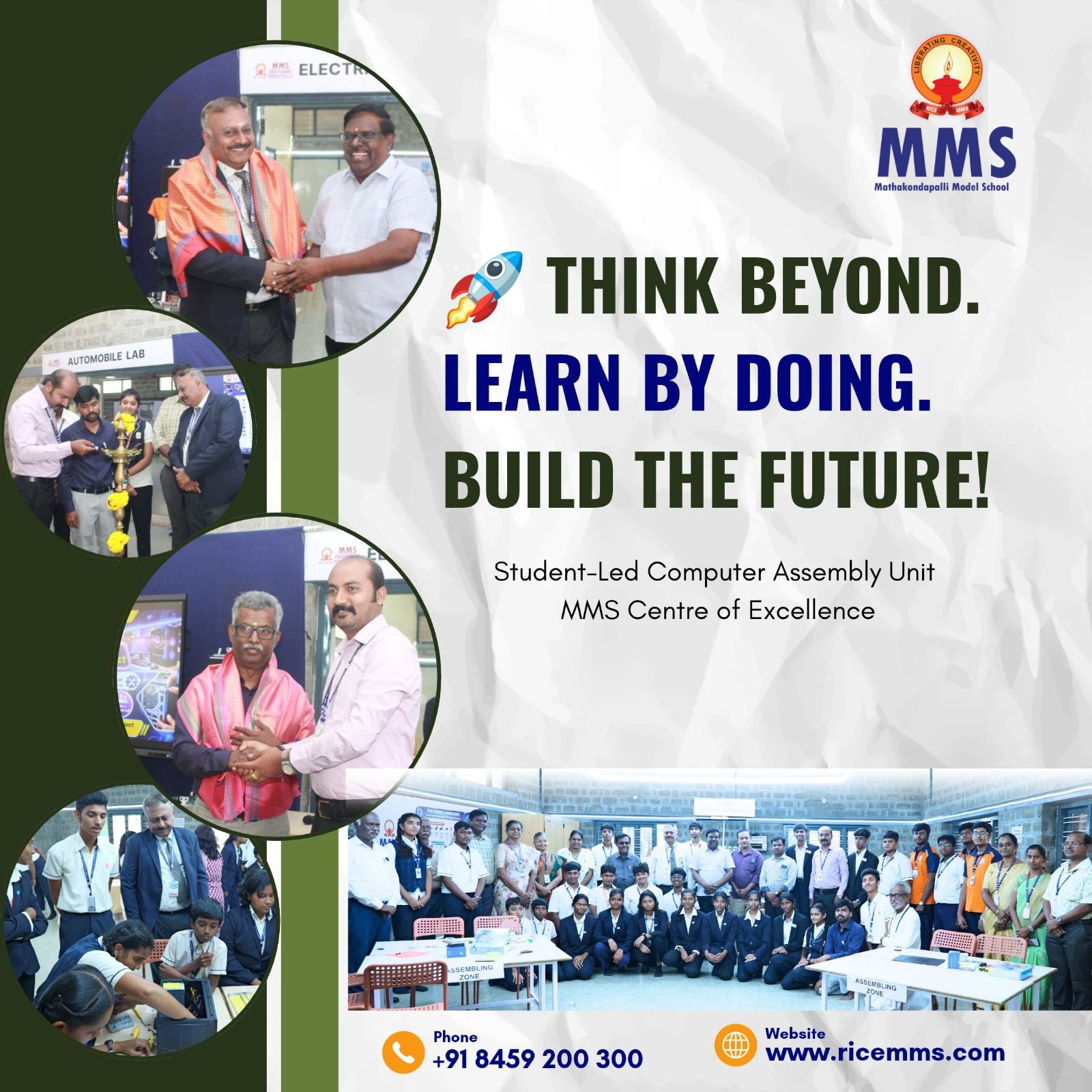
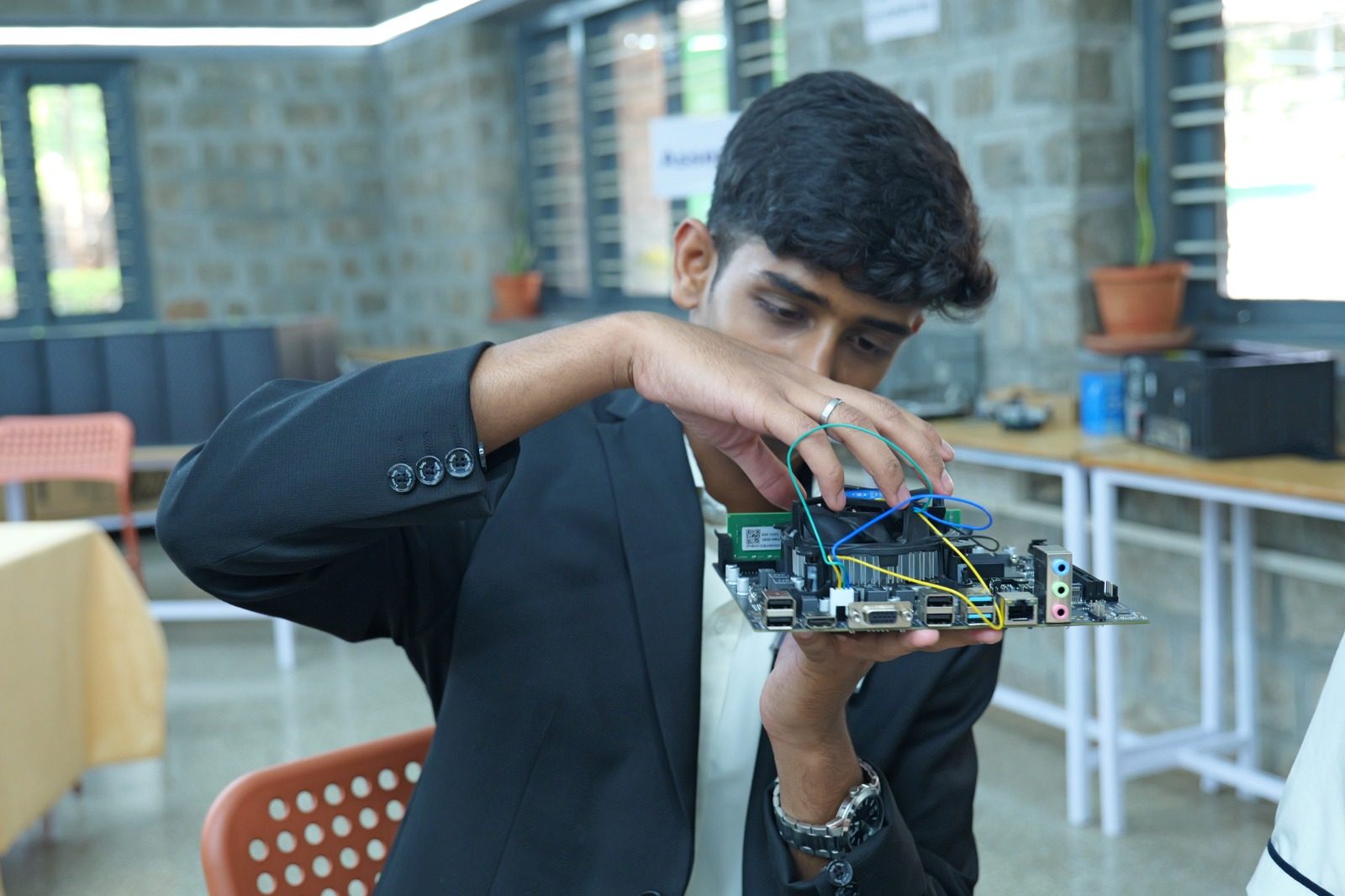
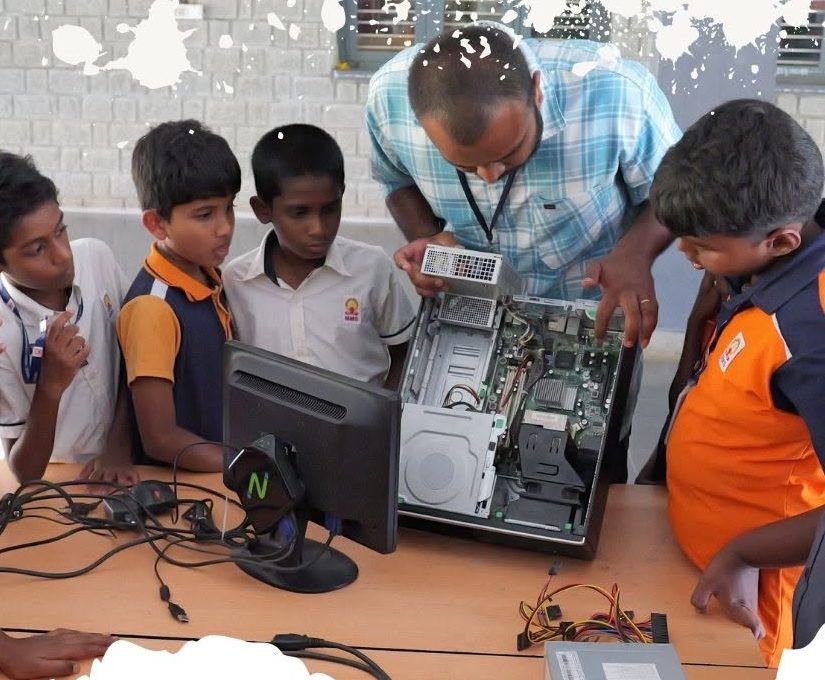
Hands-on computer assembly and hardware exploration.
System configuration and operating system installation.
Troubleshooting, servicing and maintenance.
Critical thinking and real-world problem-solving.
Teamwork, collaboration and technical responsibility.
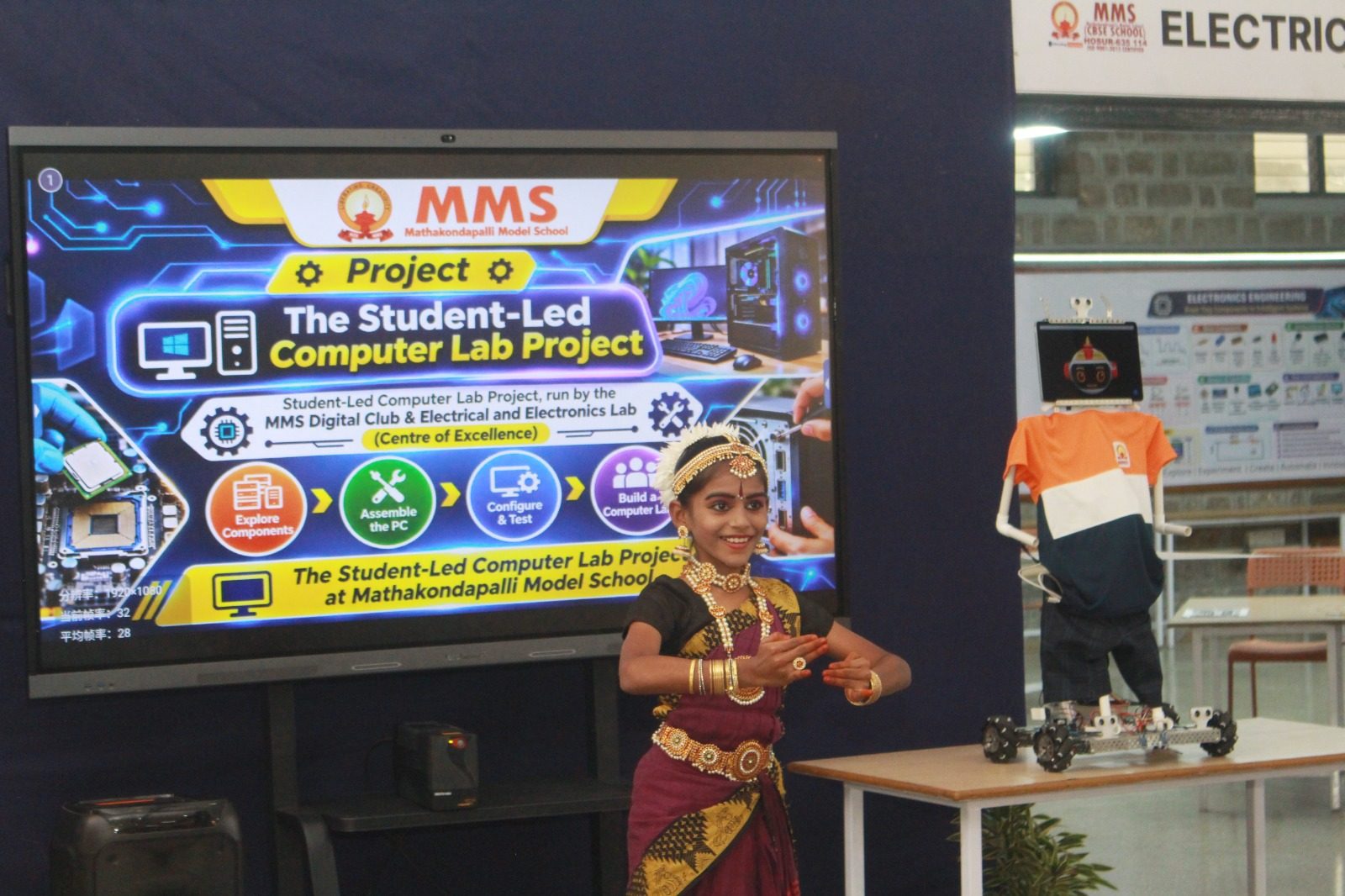
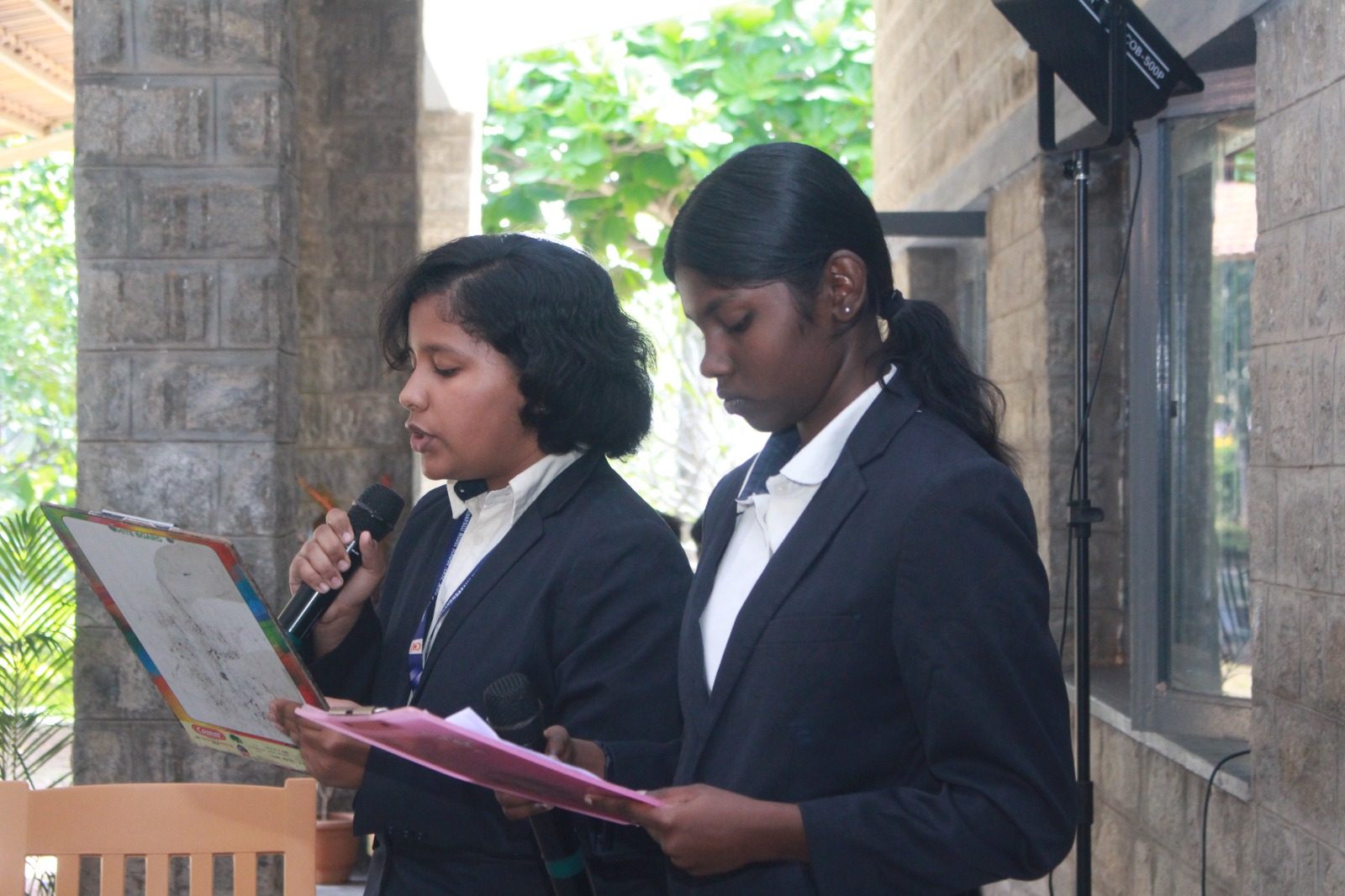
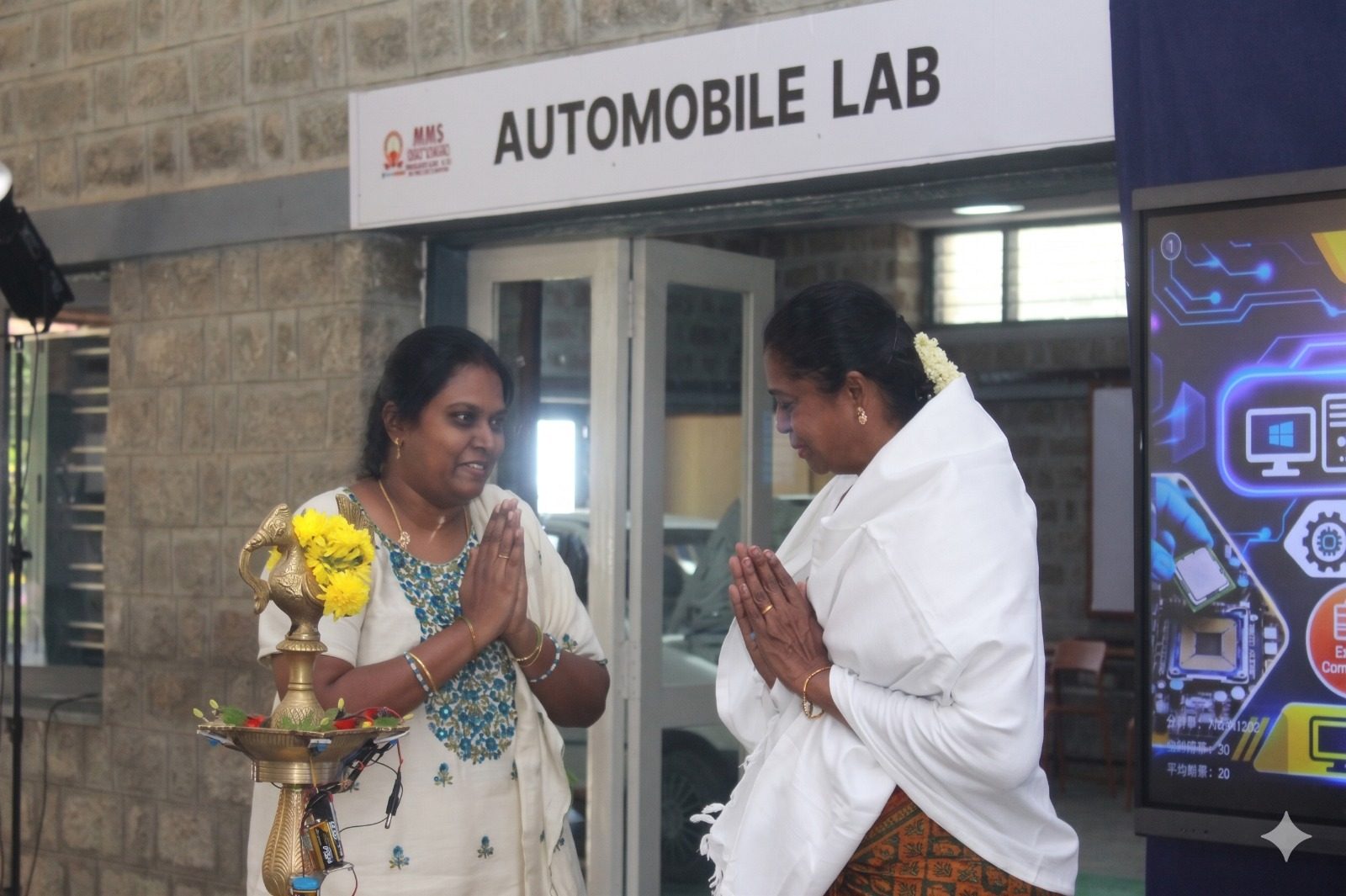
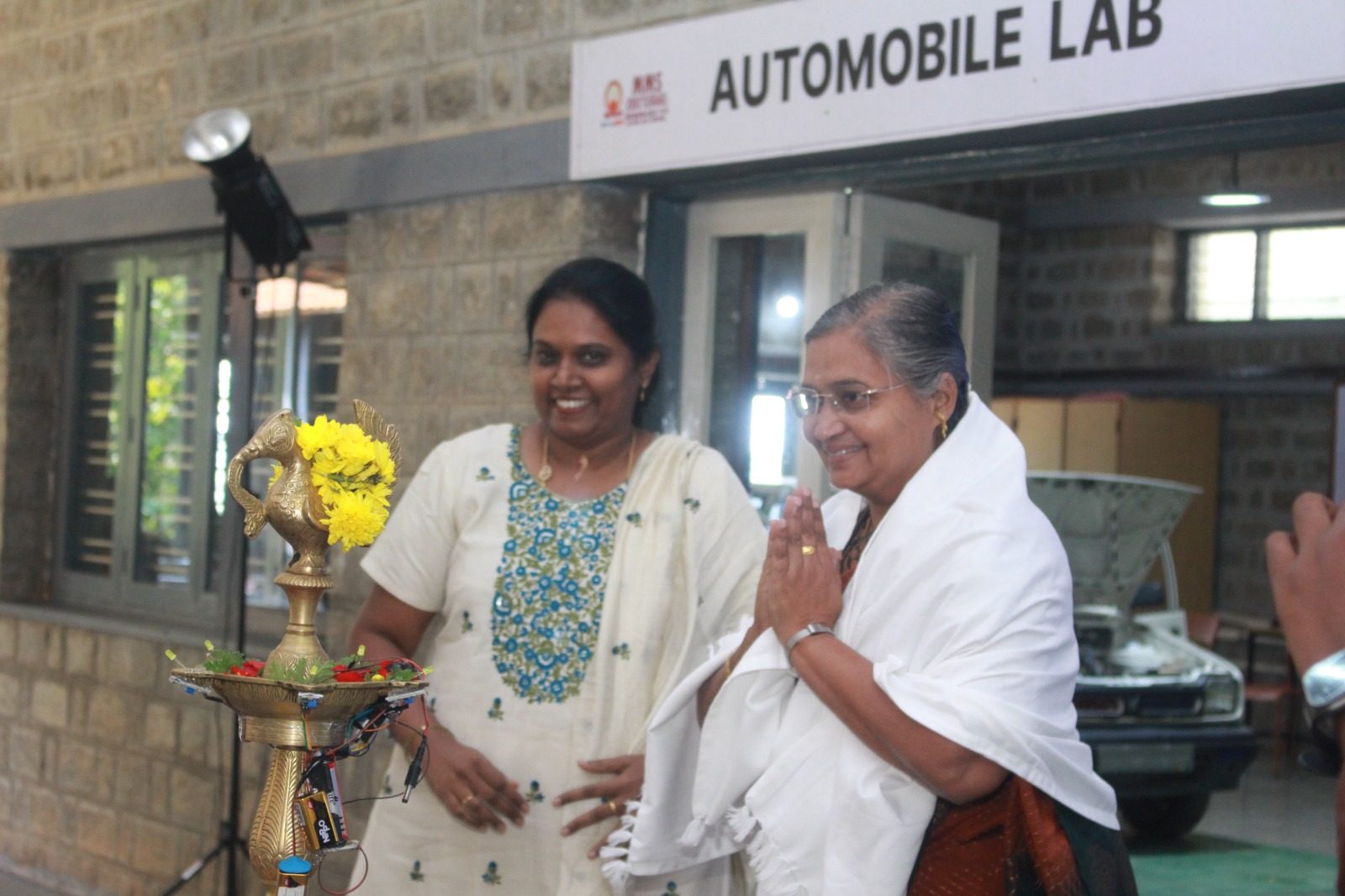
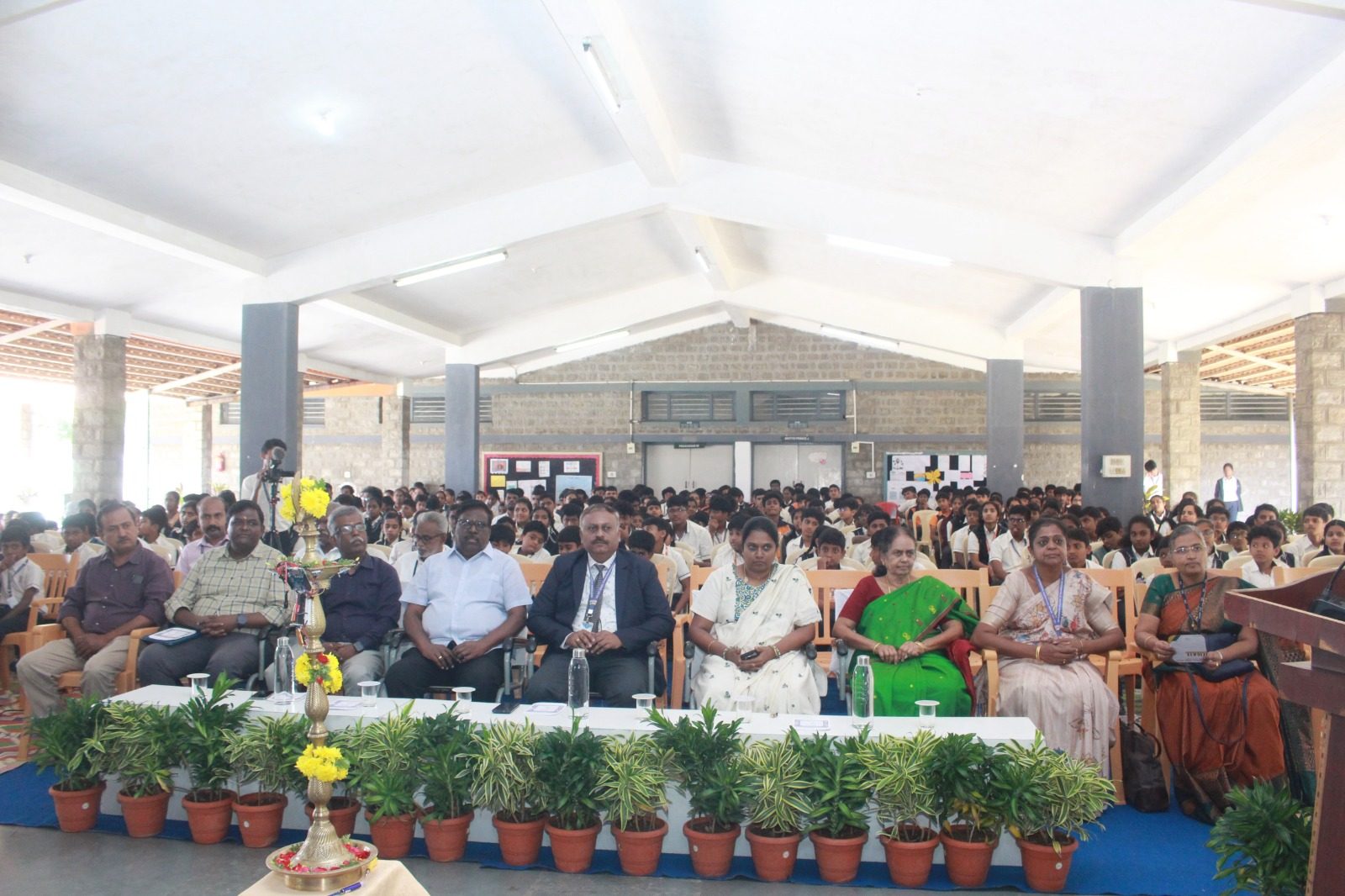
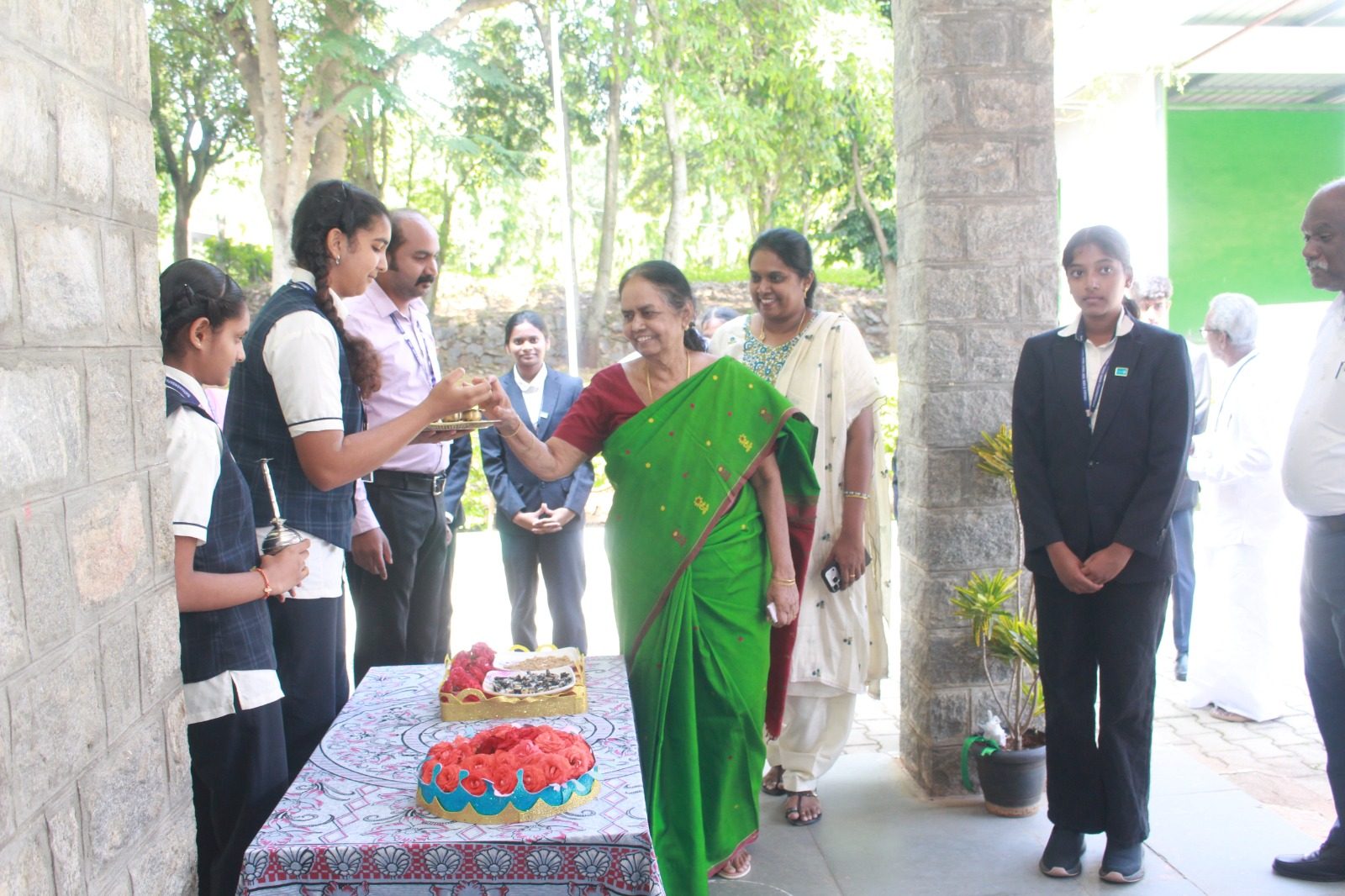
The programme began with a welcome, a prayer song and a traditional dance.


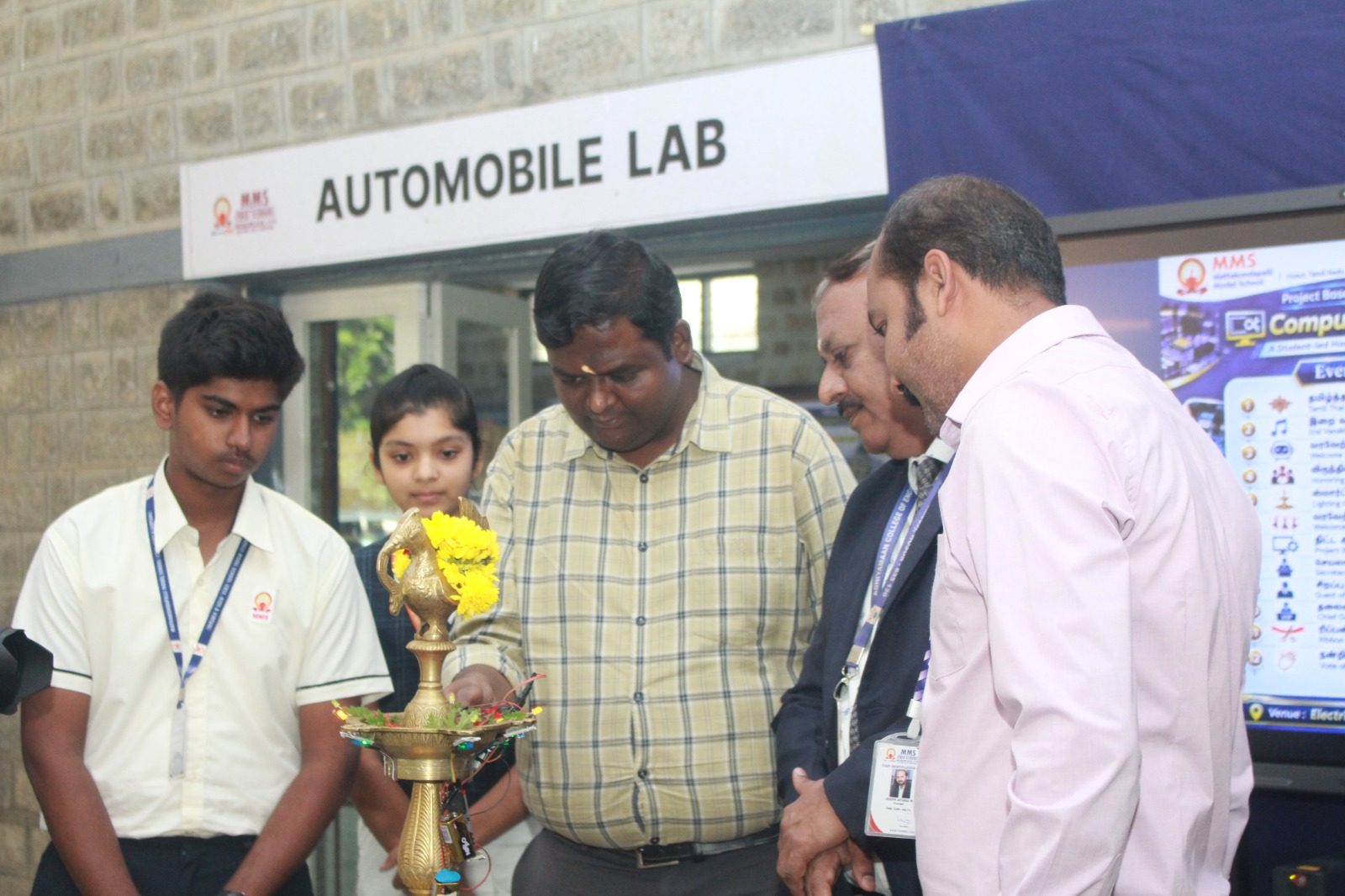
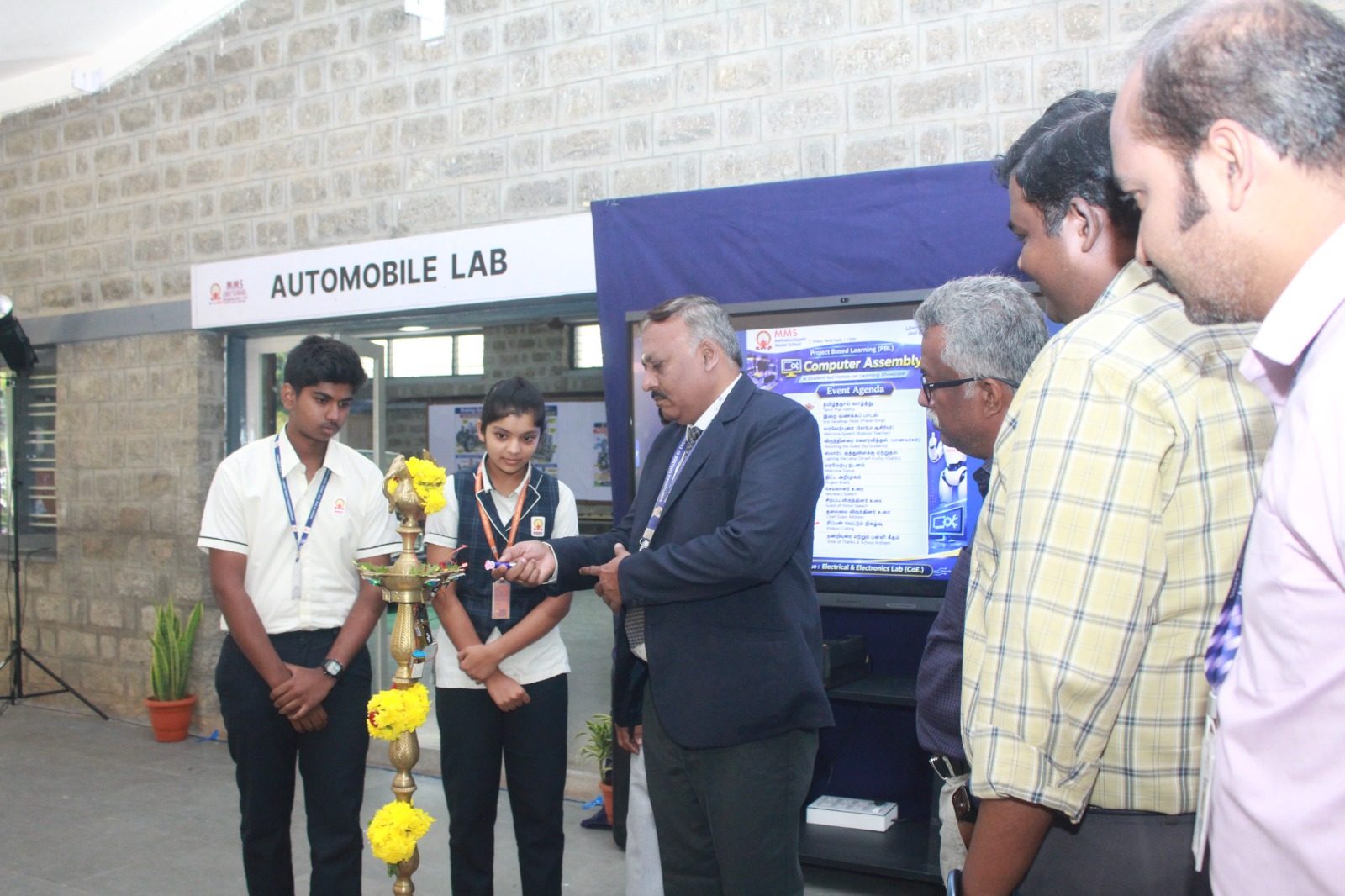
Student representatives stood beside the guests as the unit was inaugurated.


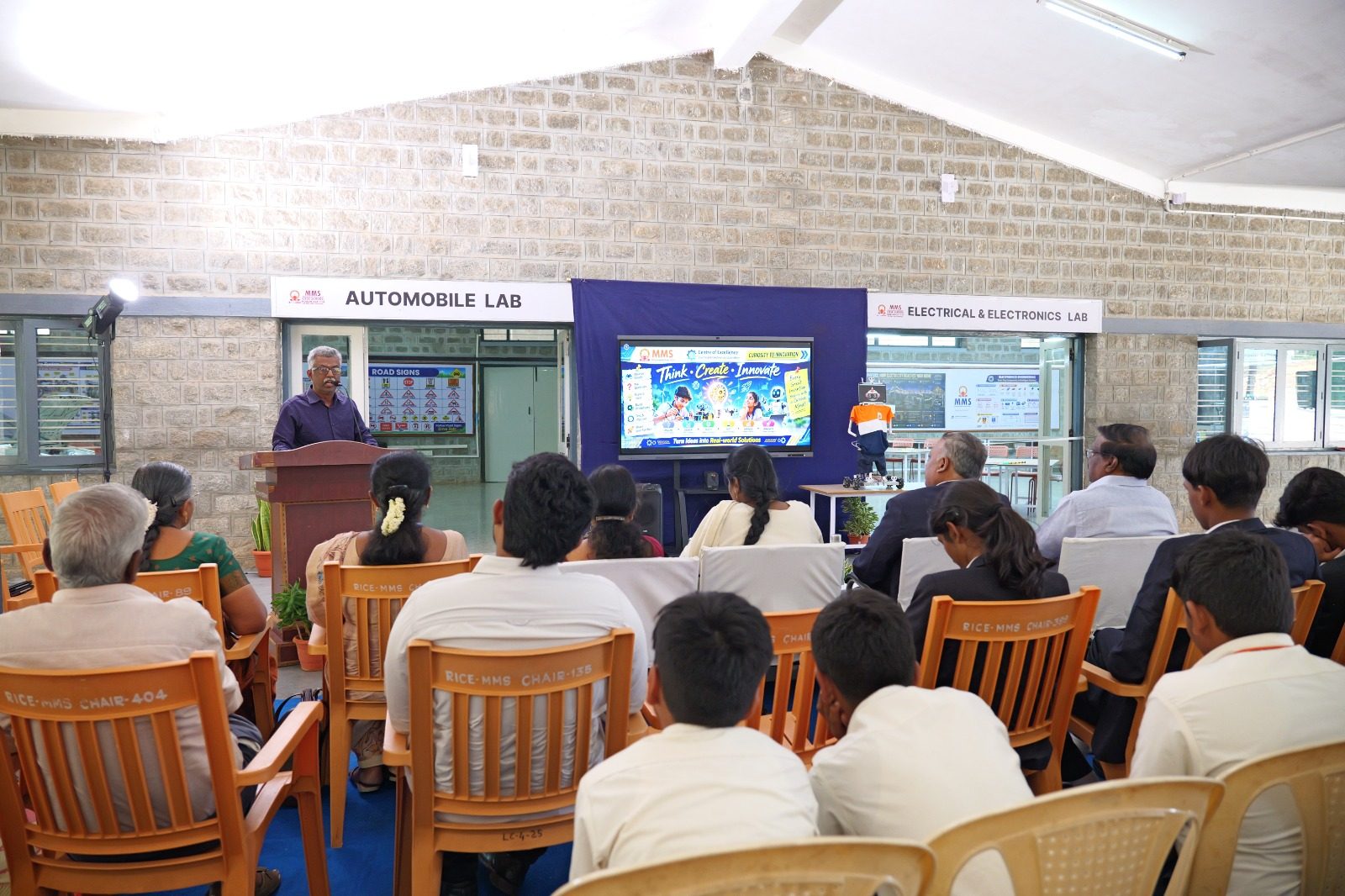
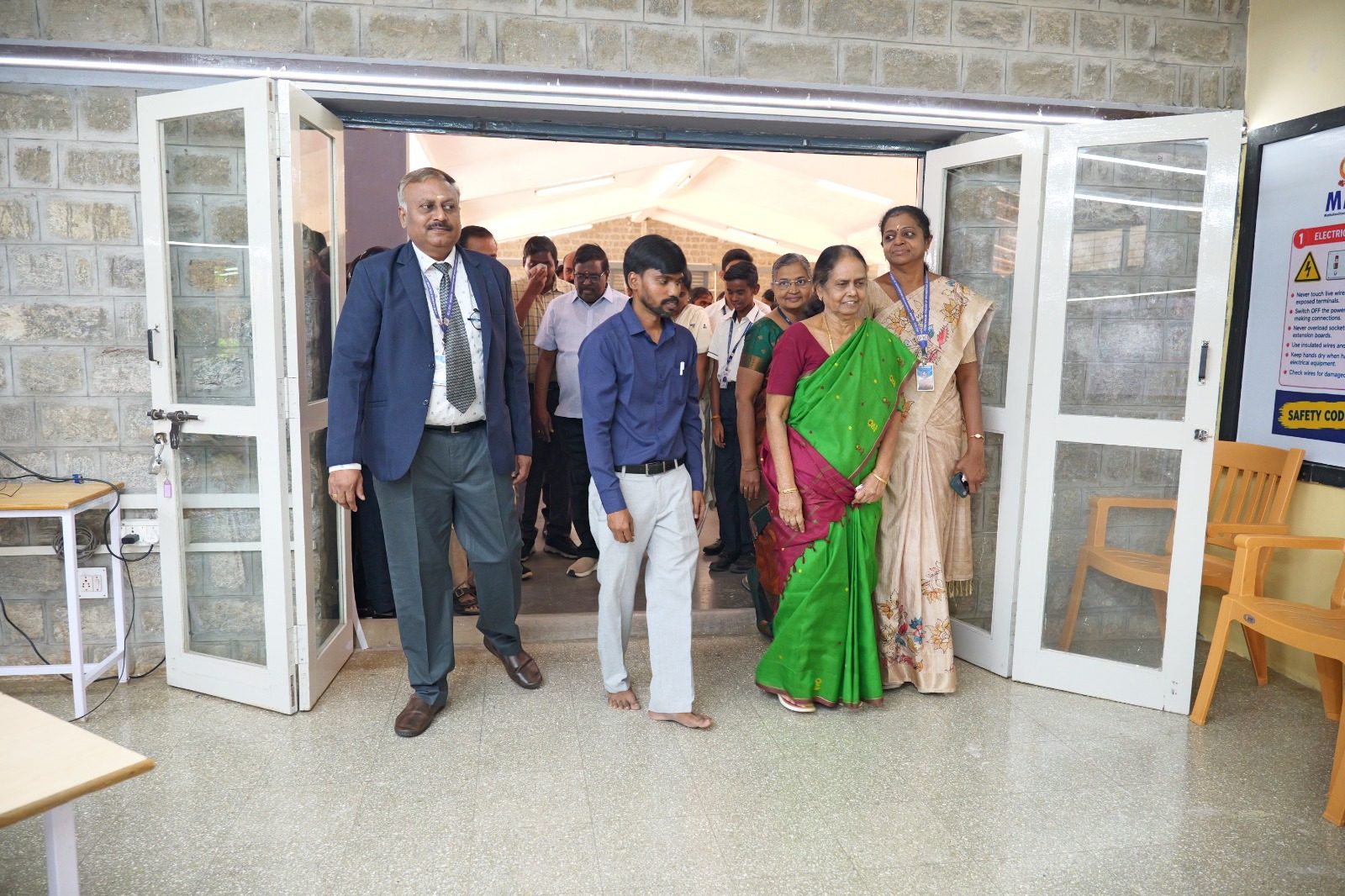
After the ceremony the guests walked into the lab and watched student teams assemble computers.


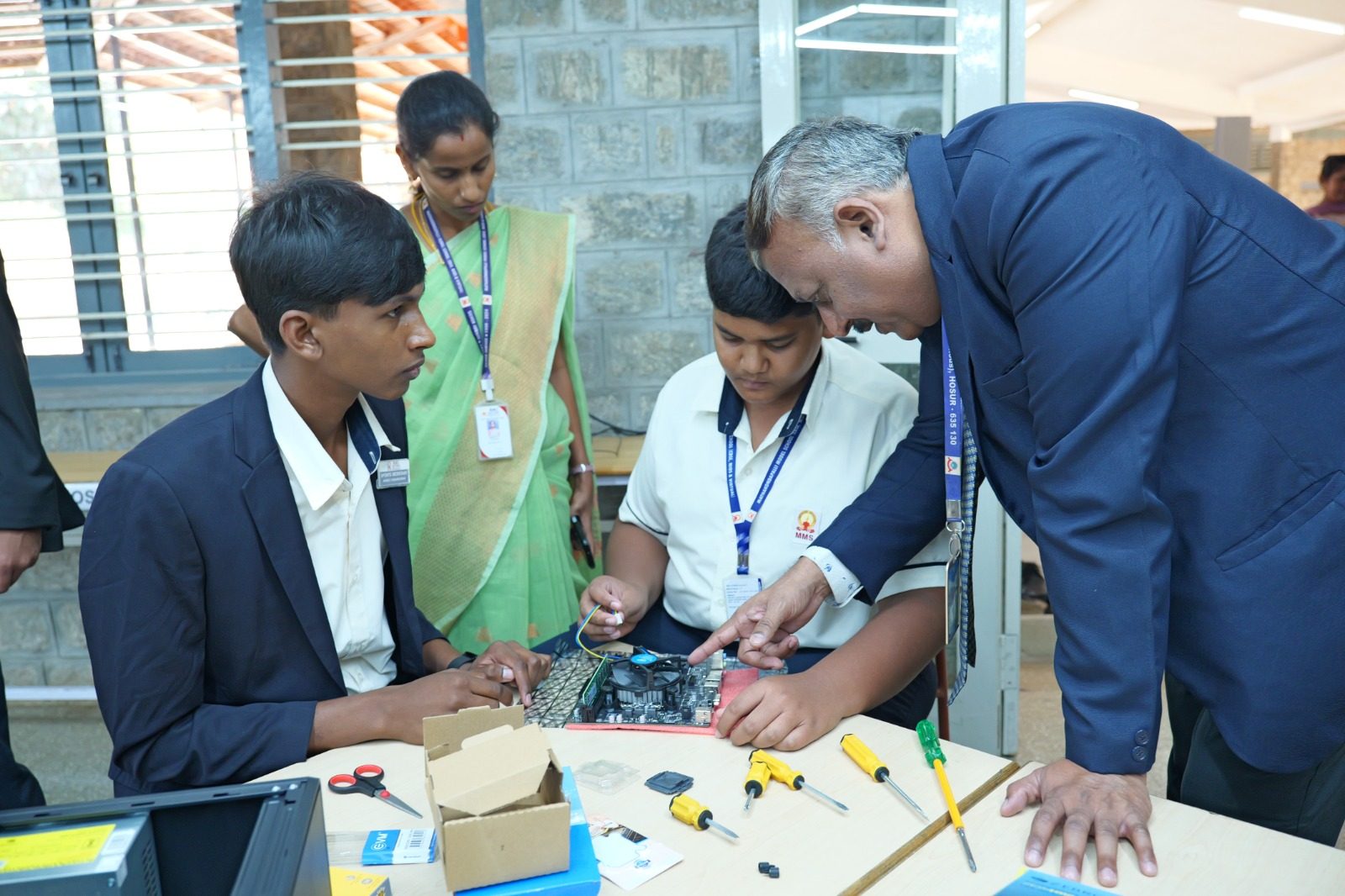
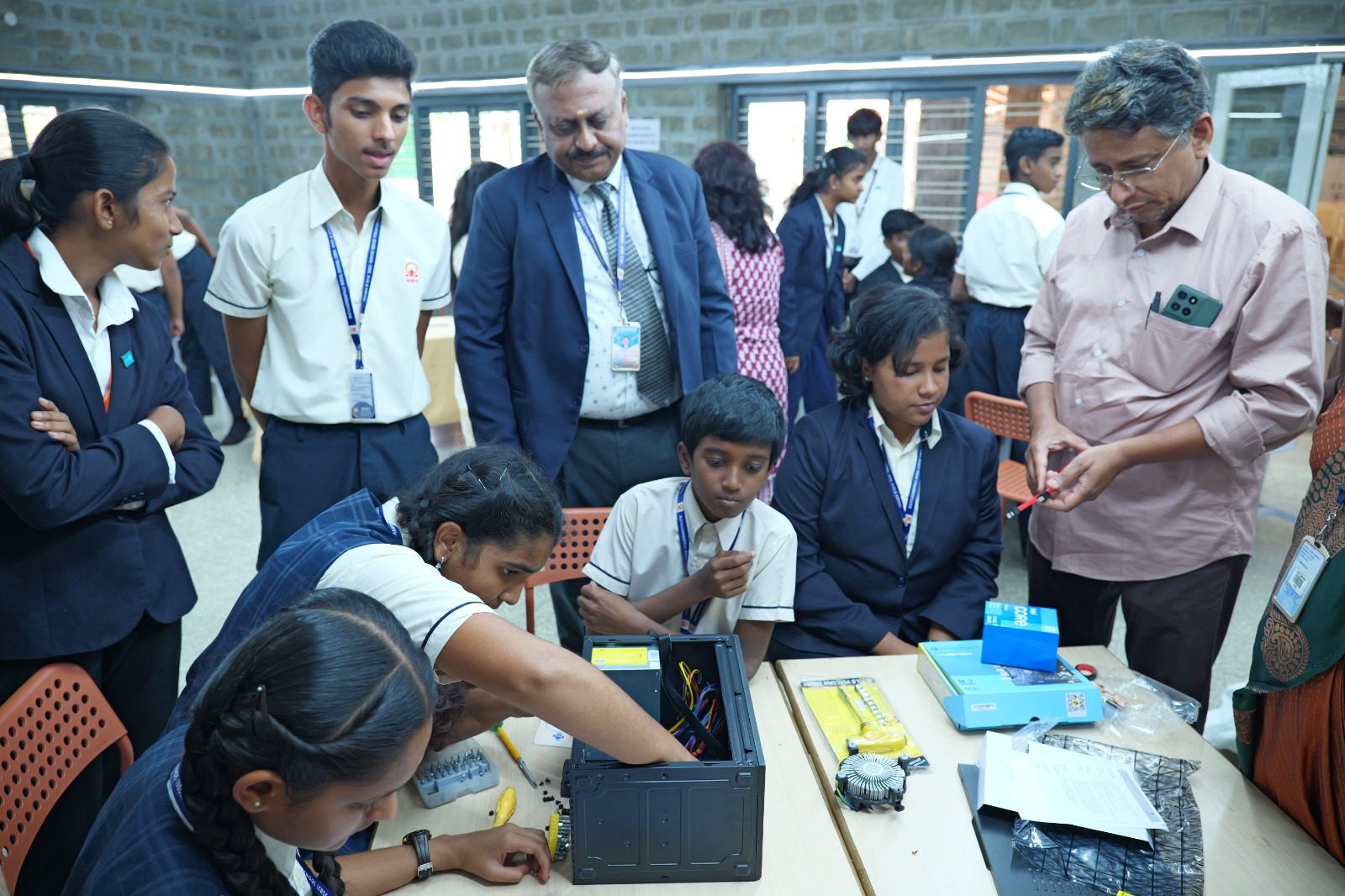
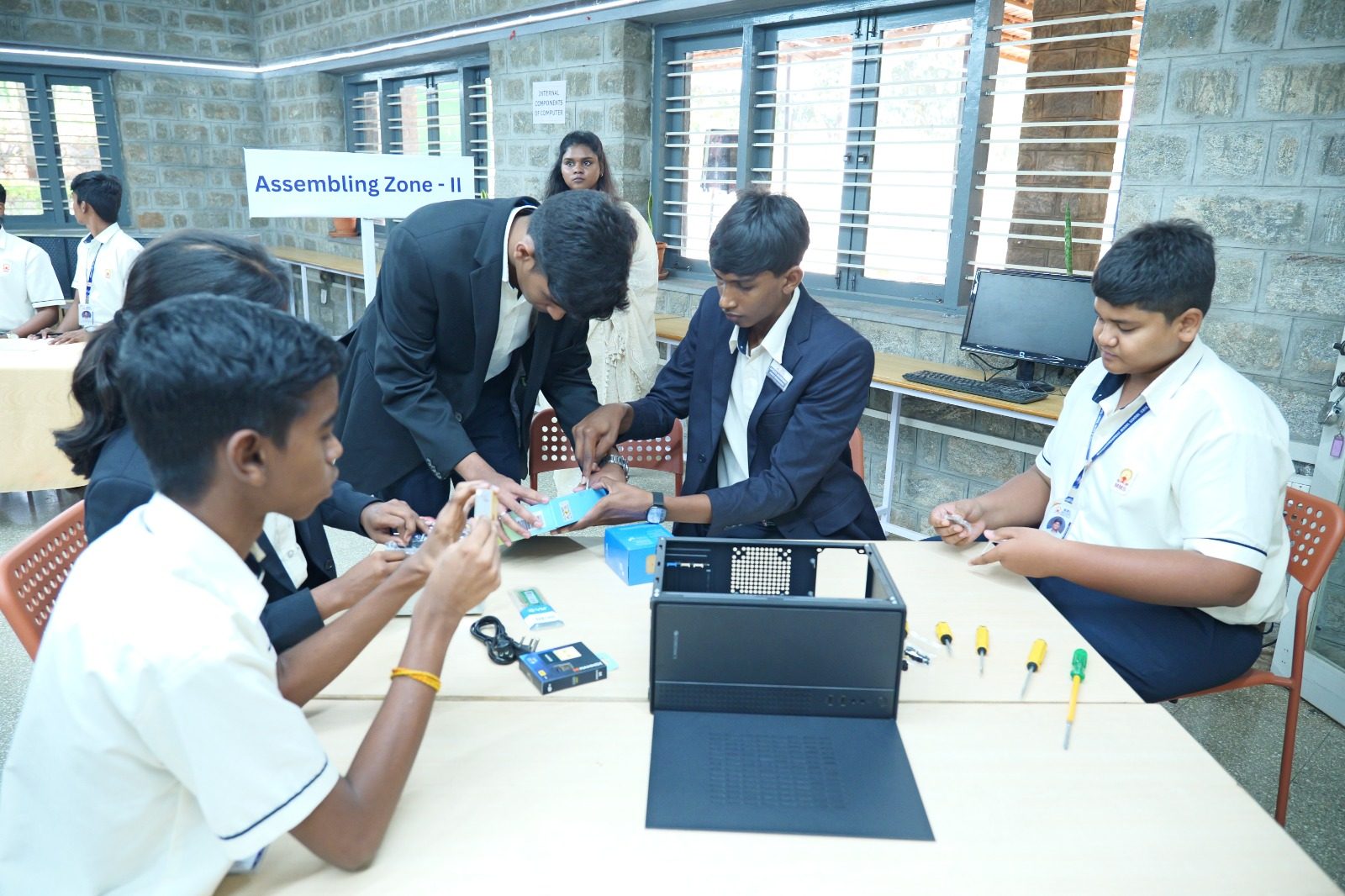
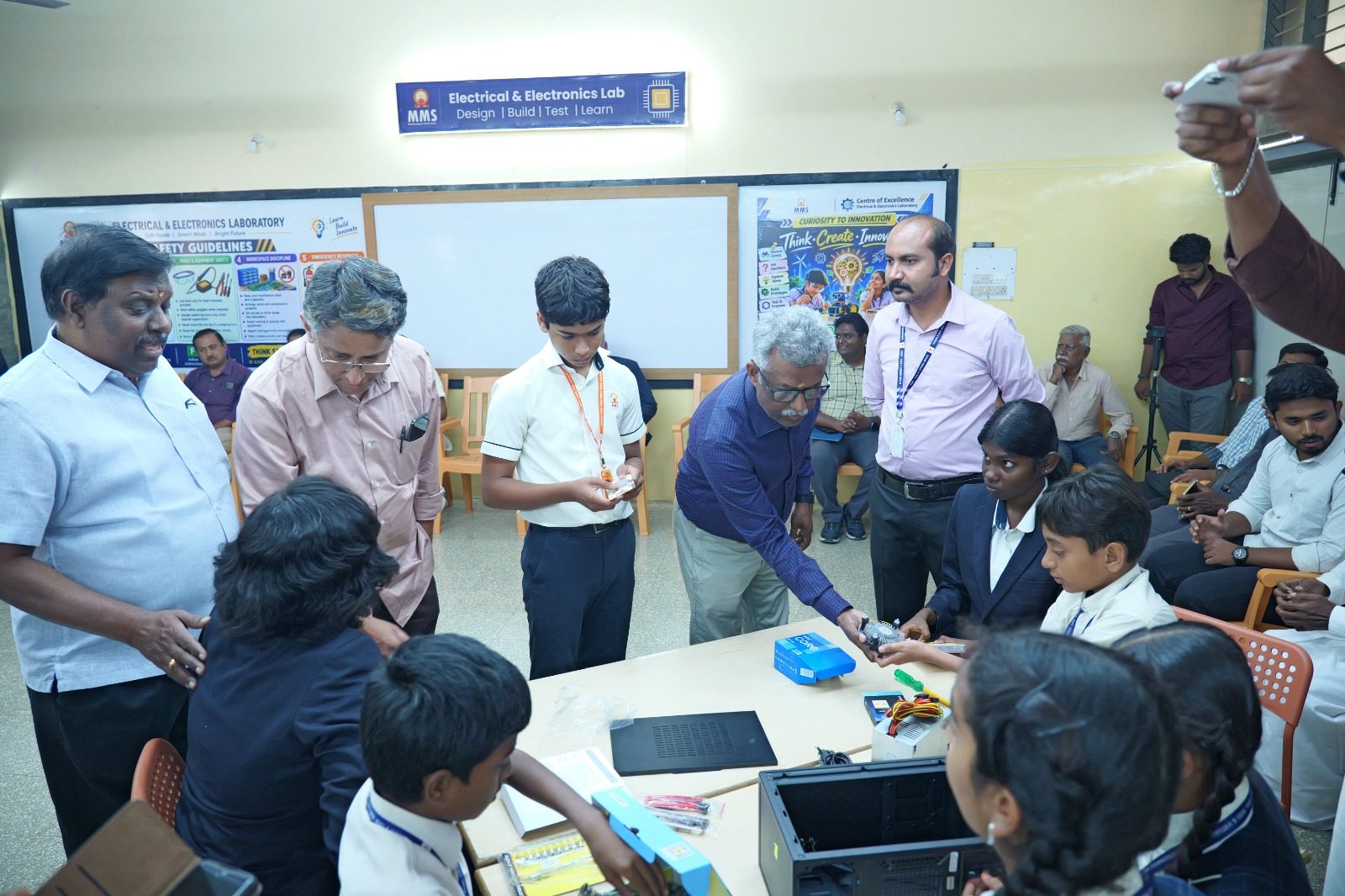

Heartfelt gratitude to the Management, Secretary Mr. Meru, the school leadership, the IT Department, all the Teachers, and the Administration, Maintenance and Finance Teams, whose support made this day possible.
The inauguration marks the beginning. The real learning journey continues!
From Knowledge to Skills. From Skills to Possibilities.
Mathakondapalli Model School, Liberating Creativity and Joyful Learning
Mobile: +91 8459 200 300 · Email: admission@ricemms.com · Web: www.ricemms.com
The Student-Led Computer Lab Project at Mathakondapalli Model School
Fifteen MMS students, from middle school to senior secondary (Classes 6 to 11), working in three interdisciplinary teams, are planning, procuring, assembling, installing, testing and maintaining the school’s own computer laboratory. When their work is complete, they will hand the systems to the management with a three-year student-backed warranty.
Inaugurated on 11 November 2026: the Student-Led Computer Assembly Unit was inaugurated at the Electrical & Electronics Lab by Chief Guest Prof. Dr. R. Dhanasekaran, Dean, Industry Relations, Adhiyamaan College of Engineering, Hosur, with Mr. Baskar Susai, Consultant, IBM, Bengaluru, as Guest of Honour. See the inauguration and photographs.
Dear Members of the Governing Council, valued Partners, Parents and Well-wishers,
For more than two decades, Mathakondapalli Model School has held one conviction above all others: children learn best when they are trusted with real work. It gives me great pride to share a project that shows this conviction in action.
Our students are not waiting for a computer laboratory to be built for them. They are building it themselves. Fifteen students from Classes 6 to 11, from middle school to senior secondary, have studied what the laboratory needs, compared vendor quotations, recommended purchases to the management, and are now assembling, installing and testing every system with their own hands. Once the laboratory is complete, they will maintain it, document it, and train the juniors who will follow them.
Most remarkably, the students will give the school management a three-year warranty on the systems they have built. Few things express ownership and confidence more clearly than a promise to stand behind one’s own work.
This is learning that no textbook alone can provide. It is the spirit of the National Education Policy 2020 made real on our campus, and I invite you to read on and to join us in celebrating it.
| Project | Student-Led Computer Lab Project, run by the MMS Digital Club and the Electrical & Electronics Lab (Centre of Excellence) |
|---|---|
| Lead | Mr. Prabakaran M., Coordinator, STEAM Unit |
| Home | Electrical & Electronics Lab, Centre of Excellence, MMS |
| Students | 15 students from Classes 6 to 11 (middle school to senior secondary), in three interdisciplinary teams of five |
| Systems | 30 desktop computers for the school's computer laboratory |
| Teams | ICT & Hardware; Commerce Procurement & Documentation; Computer Science Installation & Maintenance |
| Student commitment | A three-year warranty on the assembled systems, given to the school management |
| Inauguration of assembly | Inaugurated on Wednesday, 11 November 2026, Electrical & Electronics Lab |
| Project period | Academic Year 2026–27, closing end of November 2026 |
| Planning method | Objectives-Oriented Project Planning (OOPP/ZOPP) with measurable indicators |
NEP 2020 calls for experiential learning and hands-on exposure to vocational work, so that students connect what they learn with the world of work.
NCF-SE 2023 names the project-centred approach as a core pedagogy and asks for more time on practical application as students move to the Secondary Stage.
Kaushal Bodh, NCERT’s vocational education framework for Grades 6 to 8, organises learning around projects in three forms of work. The middle school students’ work falls under Work with Machines and Materials.
CBSE assessment now gives half the marks in Class XI to XII board papers to competency-focused questions. Students who have solved real problems are far better prepared to answer them.
At MMS, project-based learning is not an extra activity. It is how we prepare children for examinations, for work and for life.
The laboratory works only because all three teams work together.
Analyse how the laboratory will be used across classes and subjects, translate that into hardware specifications, and take part in assembly.
Collect and compare vendor quotations on cost, warranty, delivery and after-sales service; recommend the purchase to management; keep procurement and asset registers.
Assemble the systems, install and configure the operating system and software, and test every system before handover.
The learning pathway. Every student follows the full professional cycle, the same one a technology company would follow:
Along the way, students use real workplace documents: quotations, purchase orders, delivery challans, testing sign-offs and handover records.
The project is planned with the same Objectives-Oriented Project Planning (OOPP/ZOPP) method used by international development agencies. Every objective has measurable indicators and evidence.
Overall goal: MMS students have practical competence in computer hardware, software and technology management, and take responsibility for maintaining the school’s ICT infrastructure.
Project purpose: A fully functional 30-system computer laboratory is assembled, configured, tested and deployed by 15 students in three teams, with a documented student-led maintenance system in operation.
Students applied ICT knowledge to analyse needs and assemble systems.
Key target: Each student explains at least 10 hardware components (80% or more in a practical viva) and assembles at least 6 systems.
Evidence: Analysis report, viva rubric, assembly log
Commerce students ran a complete procurement process.
Key target: At least 3 vendor quotations compared; final cost within 5% of the approved budget; complete asset register.
Evidence: Comparative statement, purchase order, registers
Computer Science students installed and tested all systems.
Key target: All 30 systems pass a pre-deployment checklist; each student scores 80% or more on a practical rubric.
Evidence: Installation log, signed checklists
A student-led maintenance system runs the laboratory.
Key target: Approved maintenance procedure; at least 90% of scheduled checks completed and logged.
Evidence: Maintenance logbook, fault register
Students showed teamwork, communication, documentation and problem-solving.
Key target: At least 80% rated proficient on a teamwork and communication rubric; a final showcase held.
Evidence: Meeting minutes, problem log, portfolio
Students own the laboratory and prepare their successors.
Key target: Lab care code adopted; a handover manual completed by March 2027; junior students trained through shadowing.
Evidence: Adopted rules, handover manual, successor list
Over the longer term, the target is for at least 98% of the 30 systems to be working on any school day, maintained by students, and for a new Digital Club batch to carry the model forward in 2027–28.
We would be honoured to have your involvement. Partners, parents and well-wishers can help in several ways.
Visit the laboratory and see the students at work, or attend the final project showcase.
Share your expertise through a talk or workshop on hardware, networks, technology careers or responsible use of technology.
Mentor a team by reviewing its requirement analysis, procurement report or maintenance procedure.
Open a door to an industry visit, internship or exposure programme for the students involved.
Help the model spread by suggesting how other schools could adopt student-led technology management.
To take part, please write to ertd@ricemms.com or call 8459 200 300.


![[Description to be added by MMS]](assets/images/lab-photo-electrical-electronics-lab-2.jpg)
![[Description to be added by MMS]](assets/images/lab-photo-electrical-electronics-lab-3.jpg)
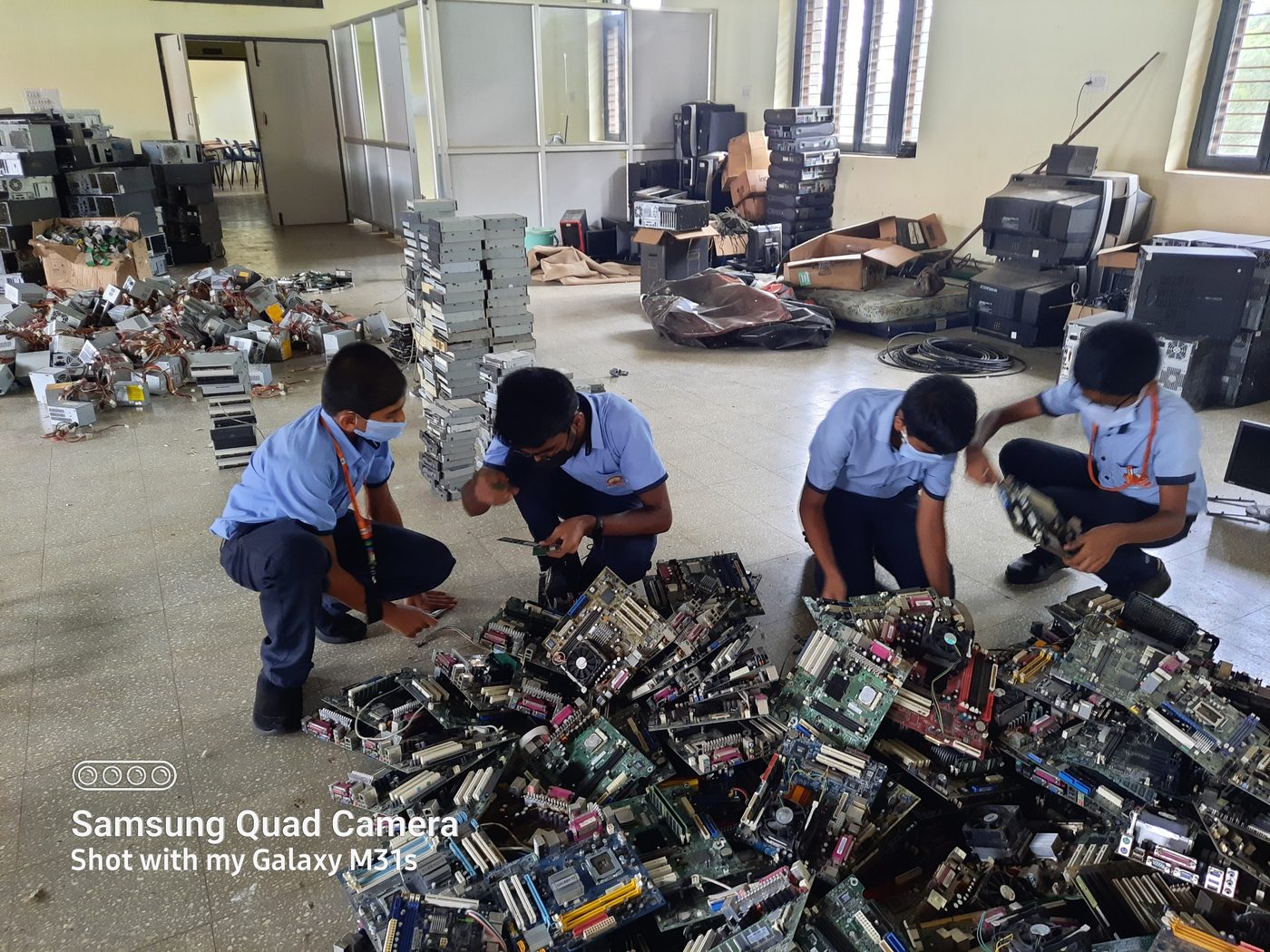
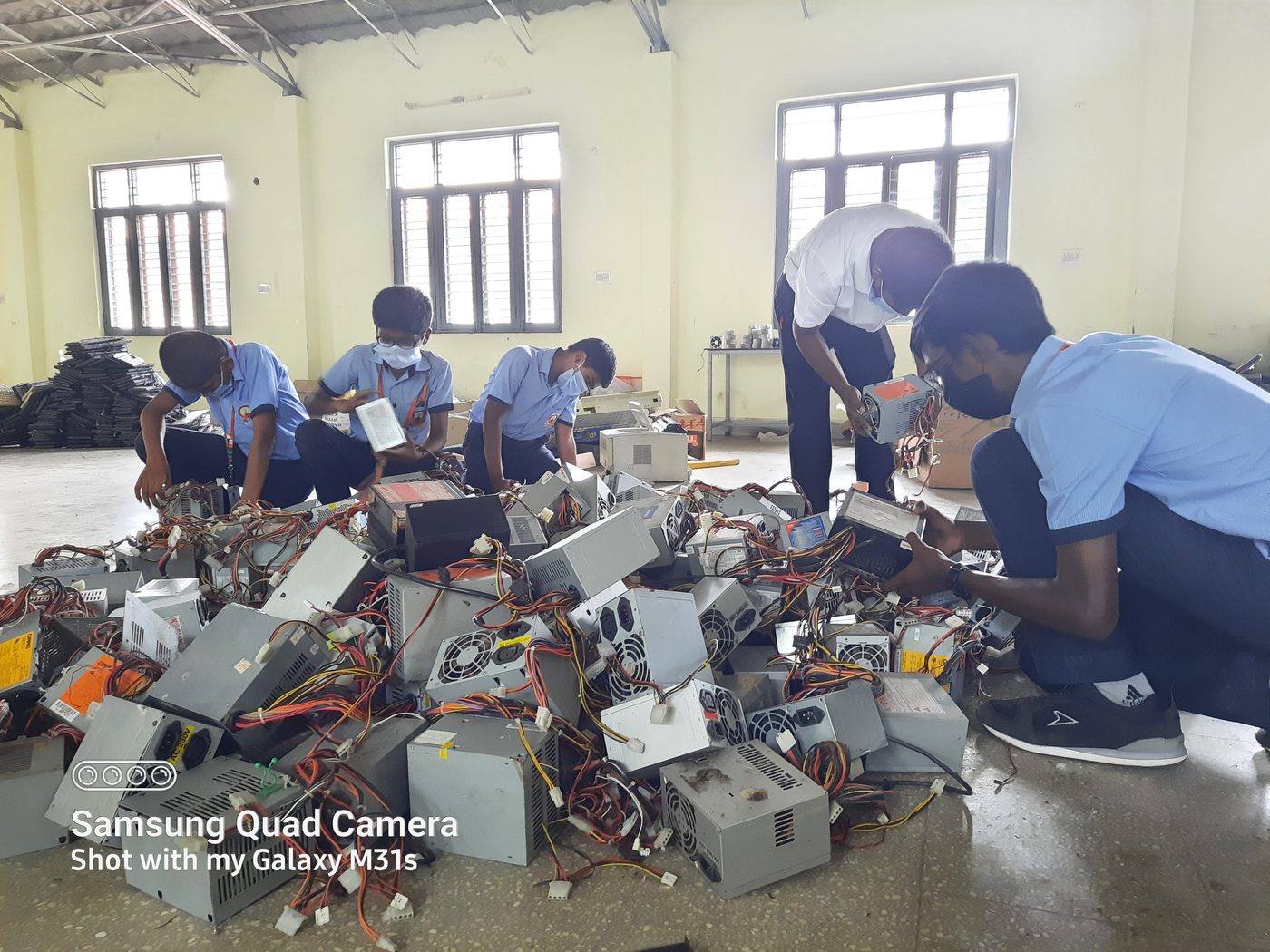
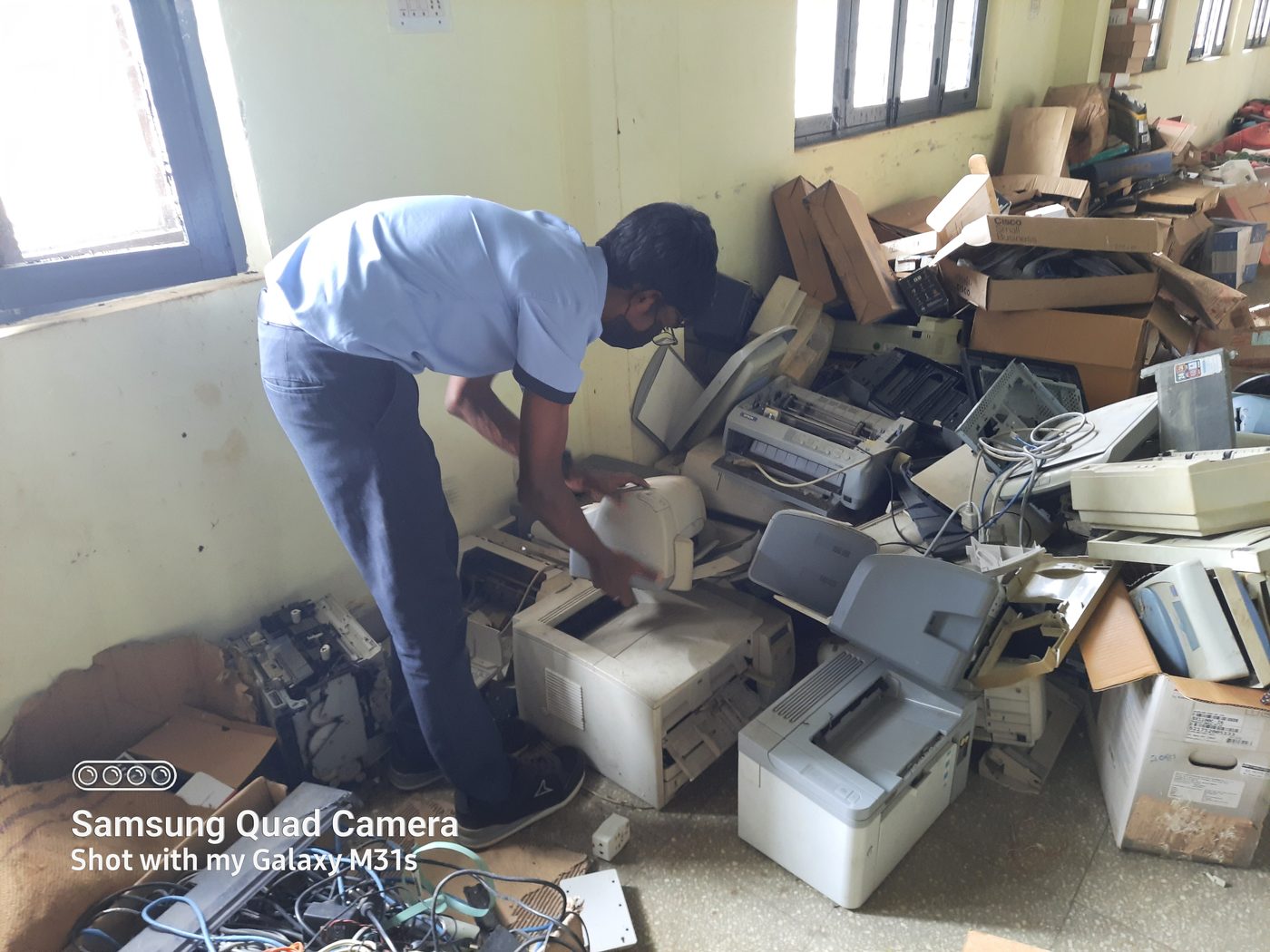
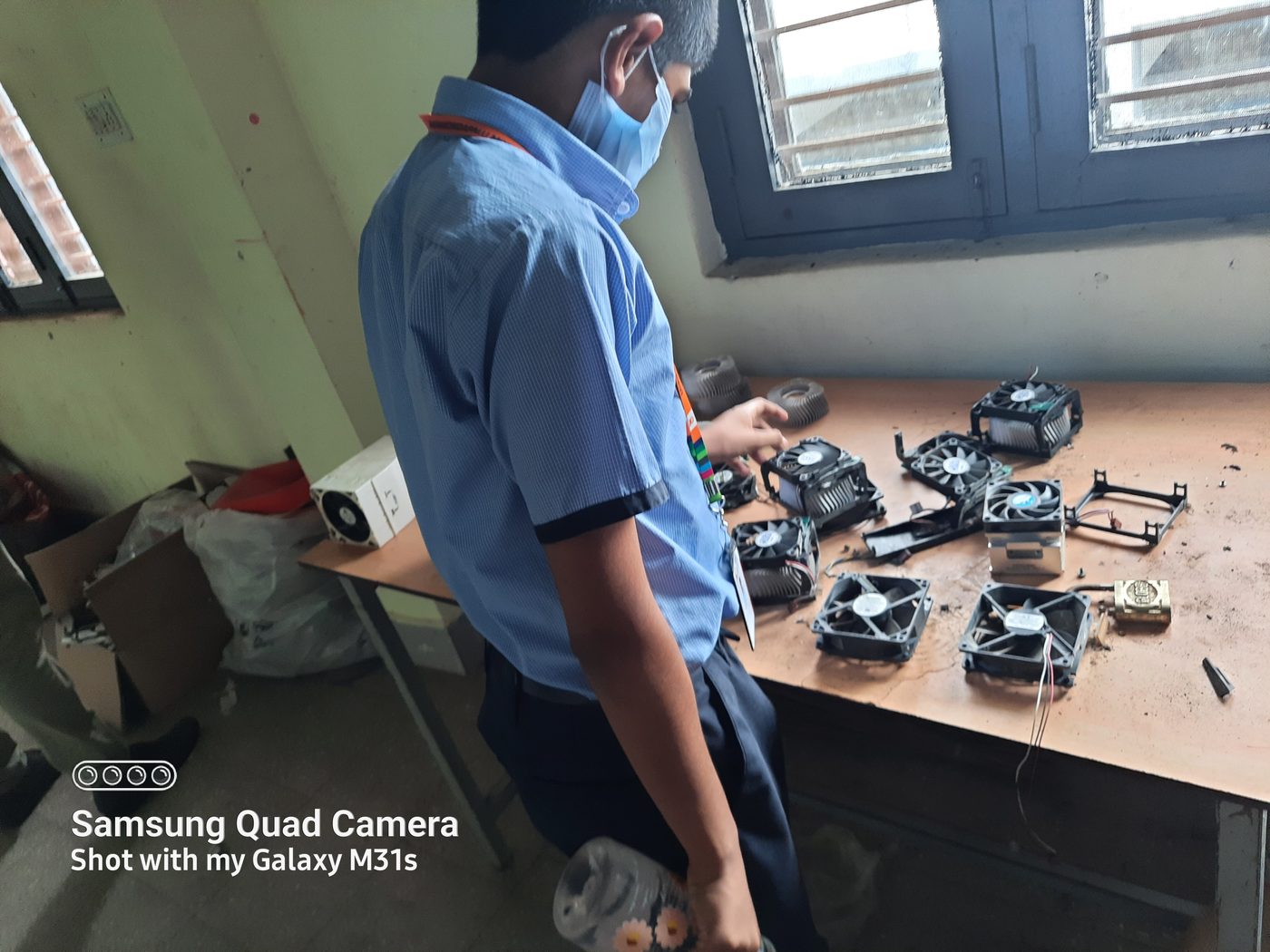
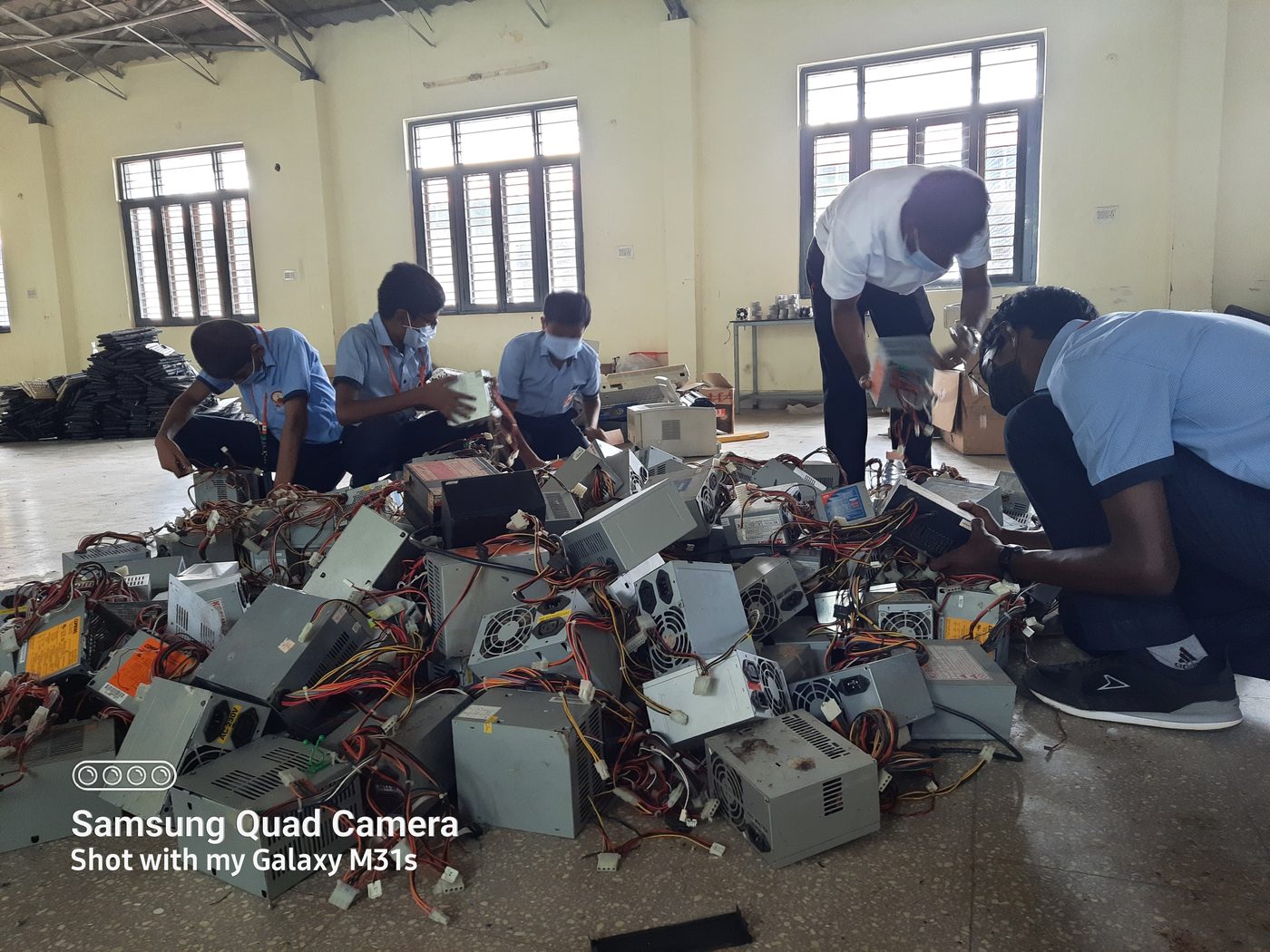
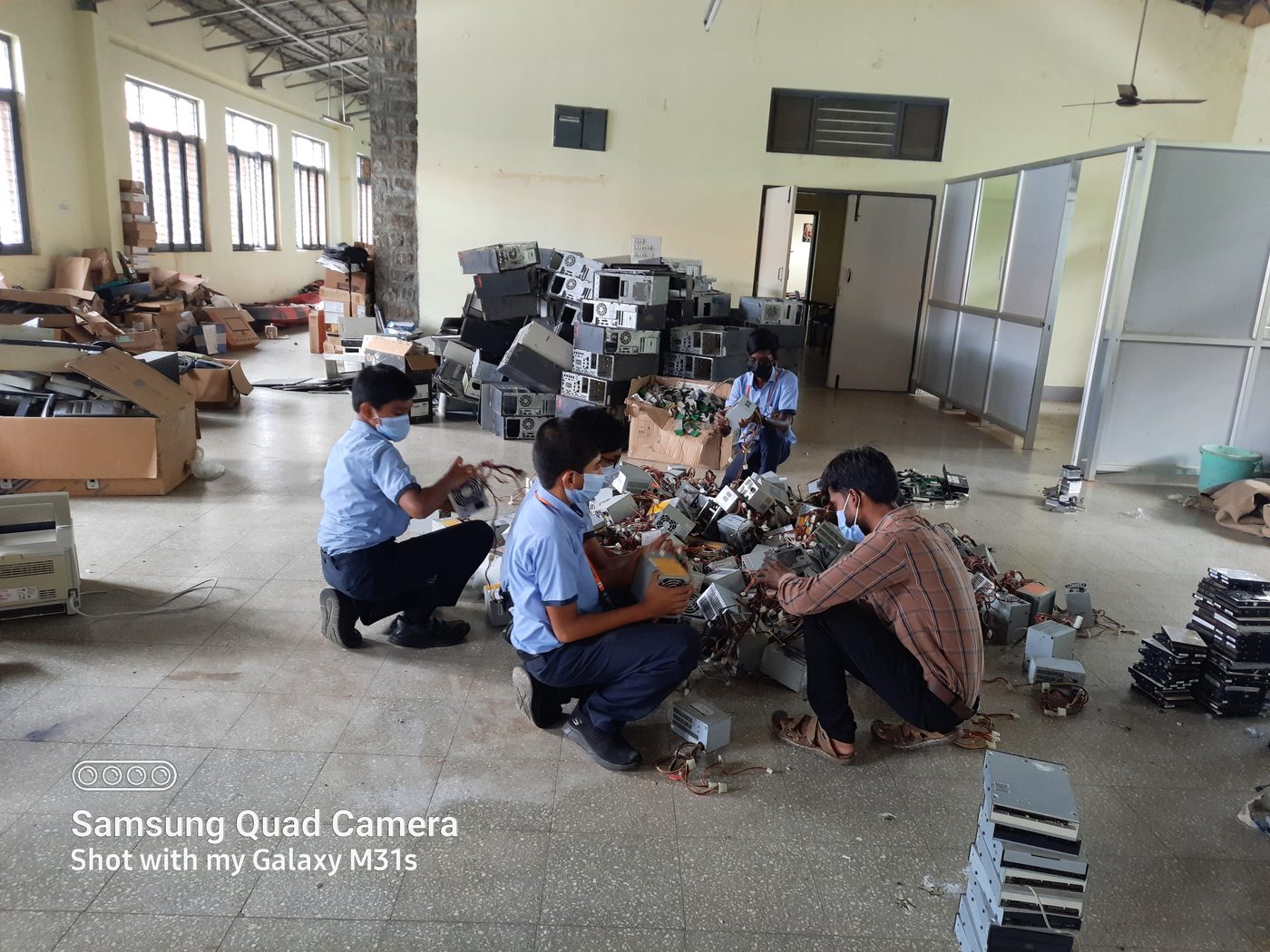
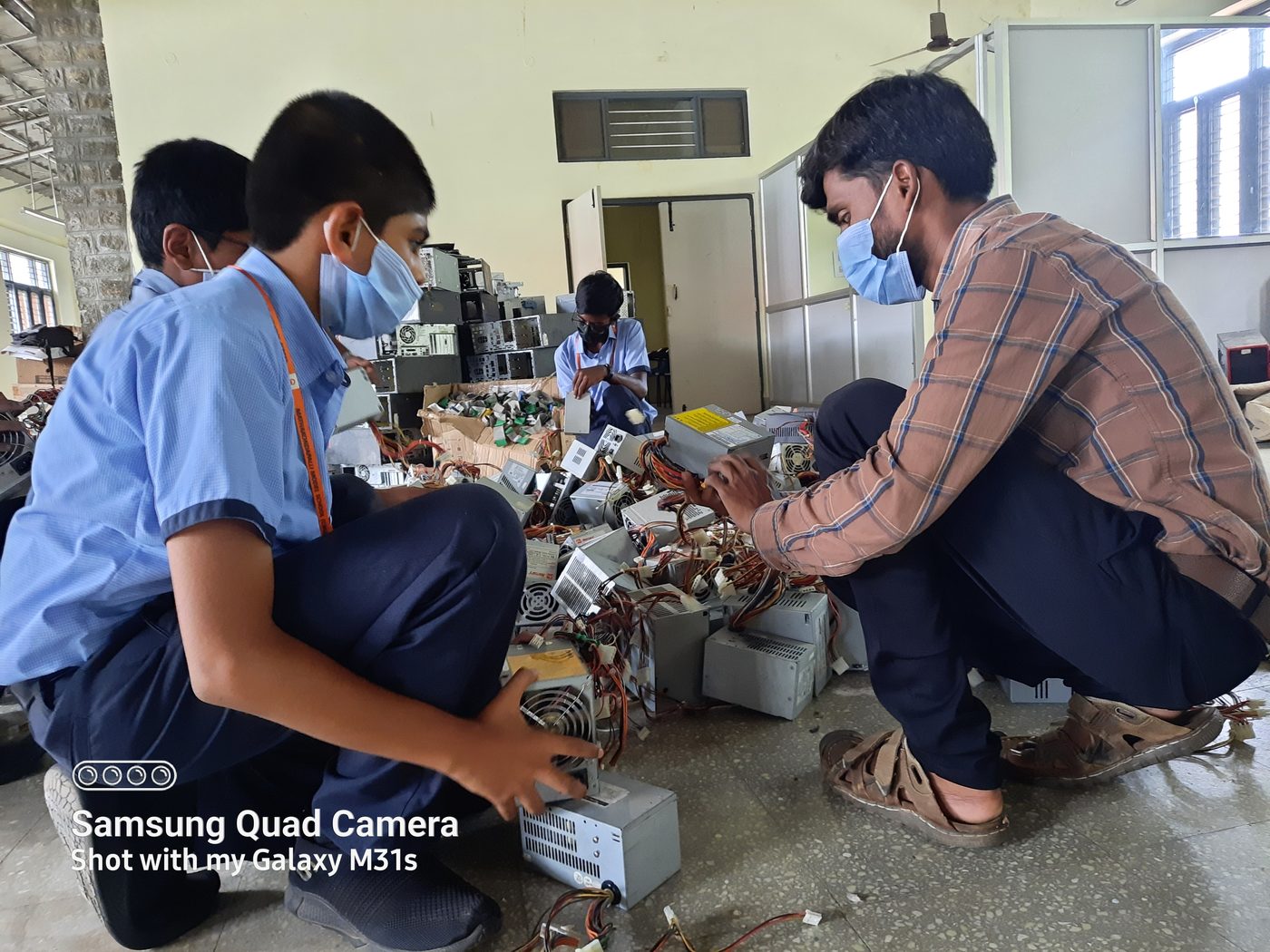
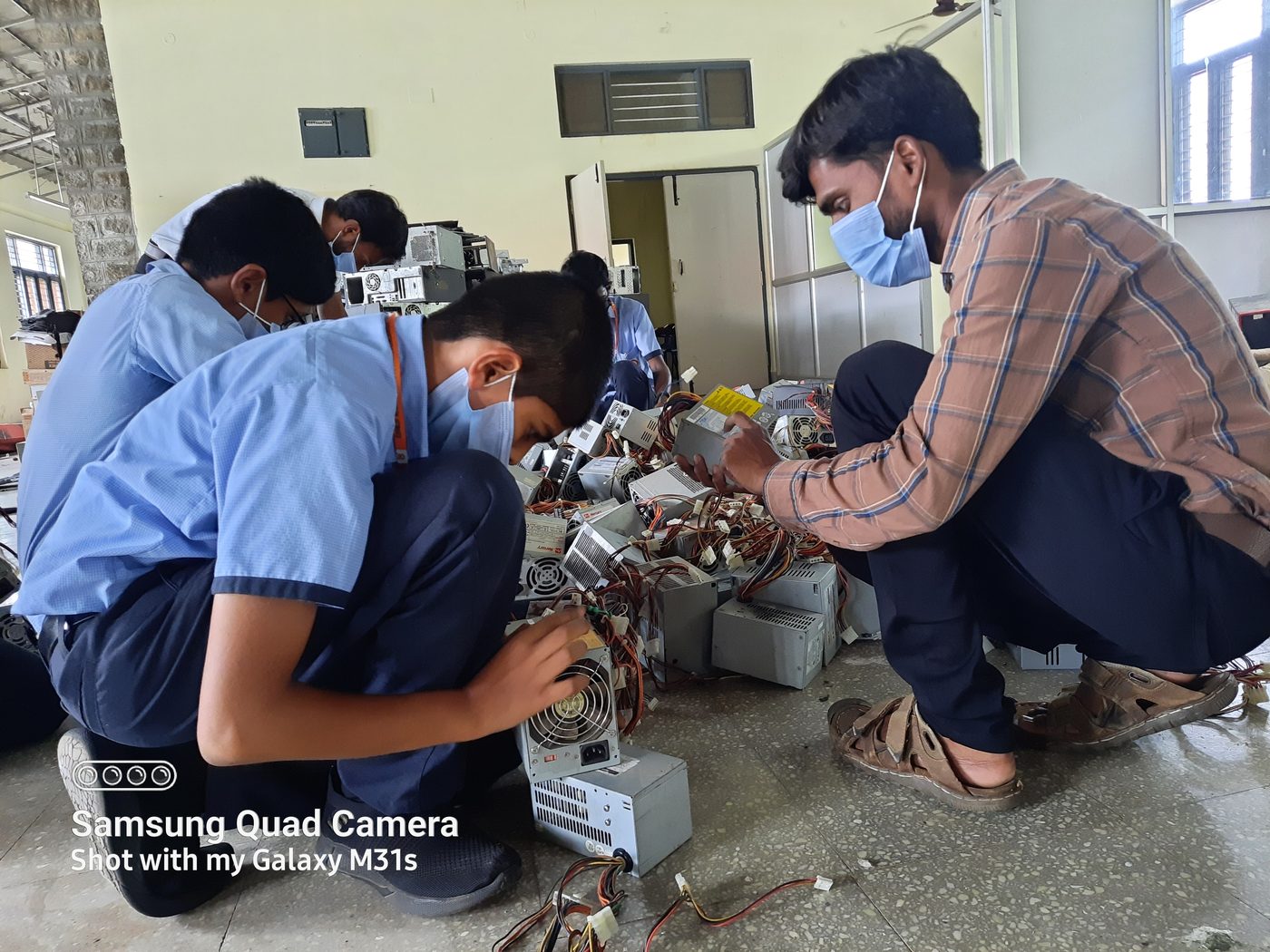
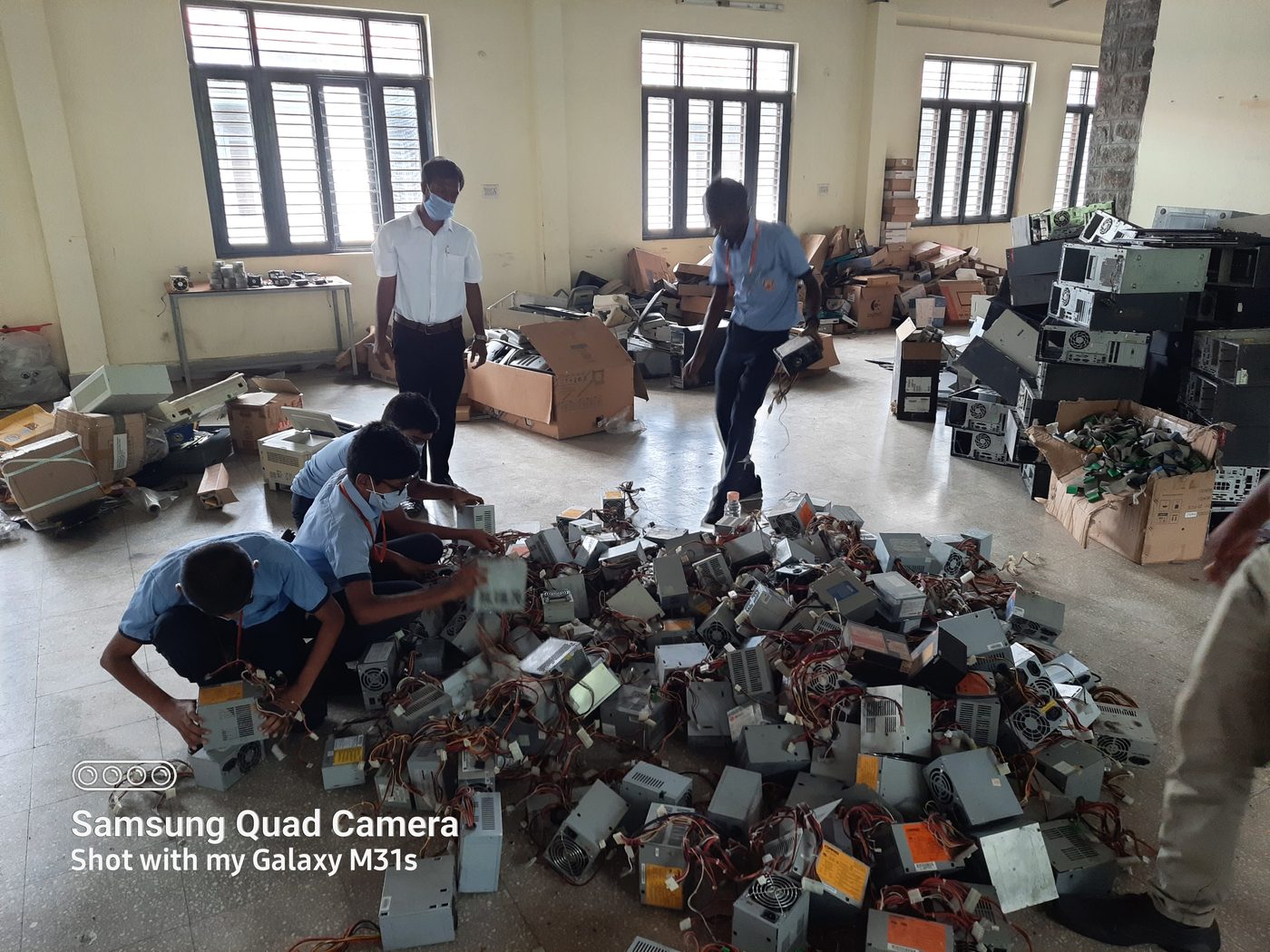
Retired desktops, printers and monitors from the school's own IT stock don't go to waste: Electrical & Electronics Lab students segregate and salvage them, recovering motherboards, power supplies, wiring, connectors, fans and heat sinks to stock the lab's component bank for prototyping and student projects. It's hands-on experiential learning in electronics built directly on the school's principles of environmental responsibility, aligned with UN Sustainable Development Goal 12 (Responsible Consumption & Production), SDG 4 (Quality Education) and SDG 9 (Industry, Innovation & Infrastructure).
Students segregate motherboards, RAM, processors and other circuit boards pulled from the school's decommissioned computers, sorting them for reuse in lab demonstrations and prototyping.
Under staff supervision, students take apart scrapped SMPS units to recover wiring, connectors, transformers and cooling fans, components that go straight back into the lab's project stock.
Old dot-matrix and laser printers are stripped down to recover motors, gears, sensors and other mechanical and electronic parts for reuse in student builds.
Salvaged cooling fans, heat sinks and small hardware are cleaned, sorted and stocked, ready to be reused in future prototypes and lab projects.


Twelve labs, one integrated ecosystem.