What happens in the ICT Department
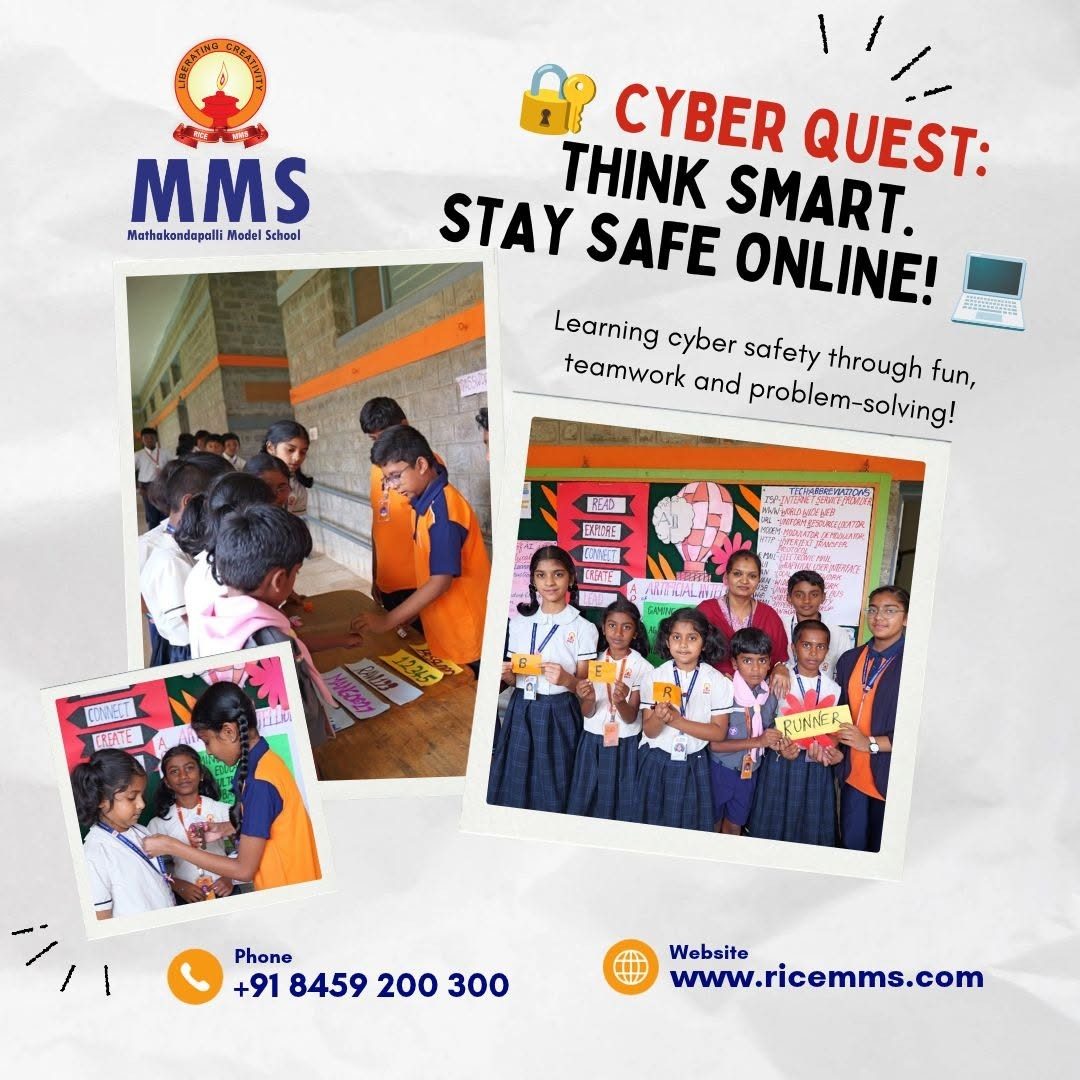
Cyber Quest: Think Smart. Stay Safe Online!
Learning cyber safety through fun, teamwork and problem-solving!
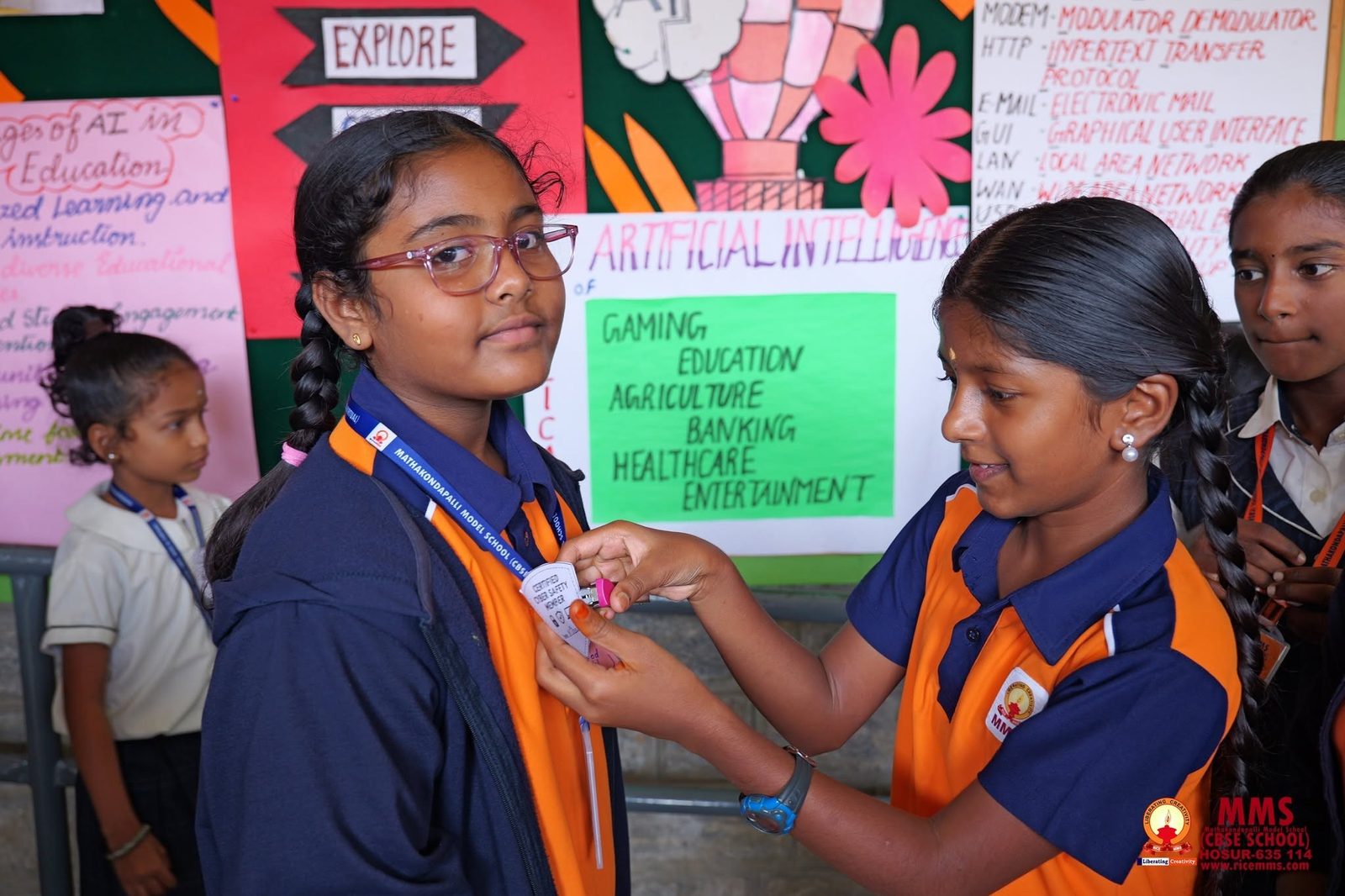
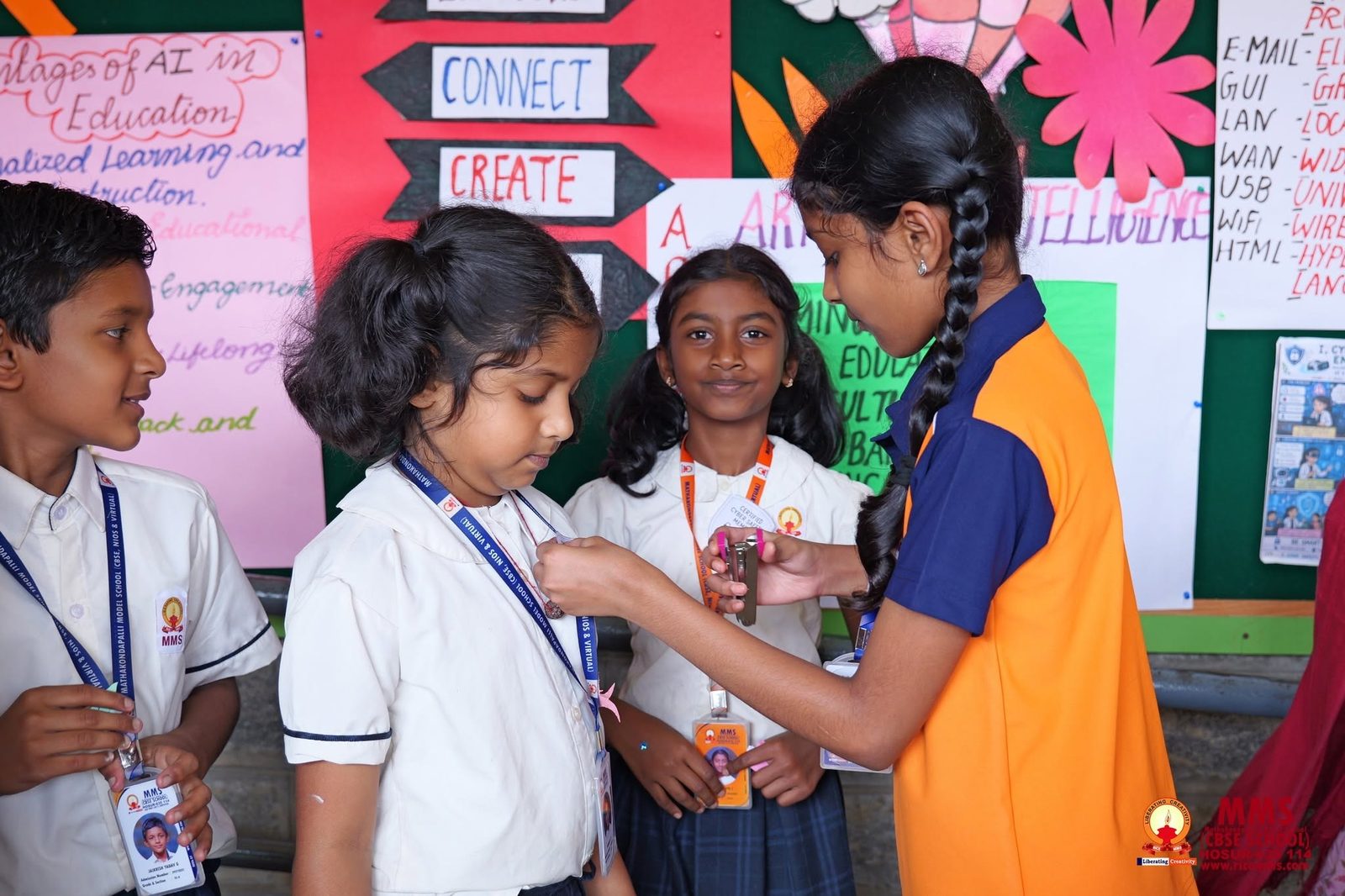
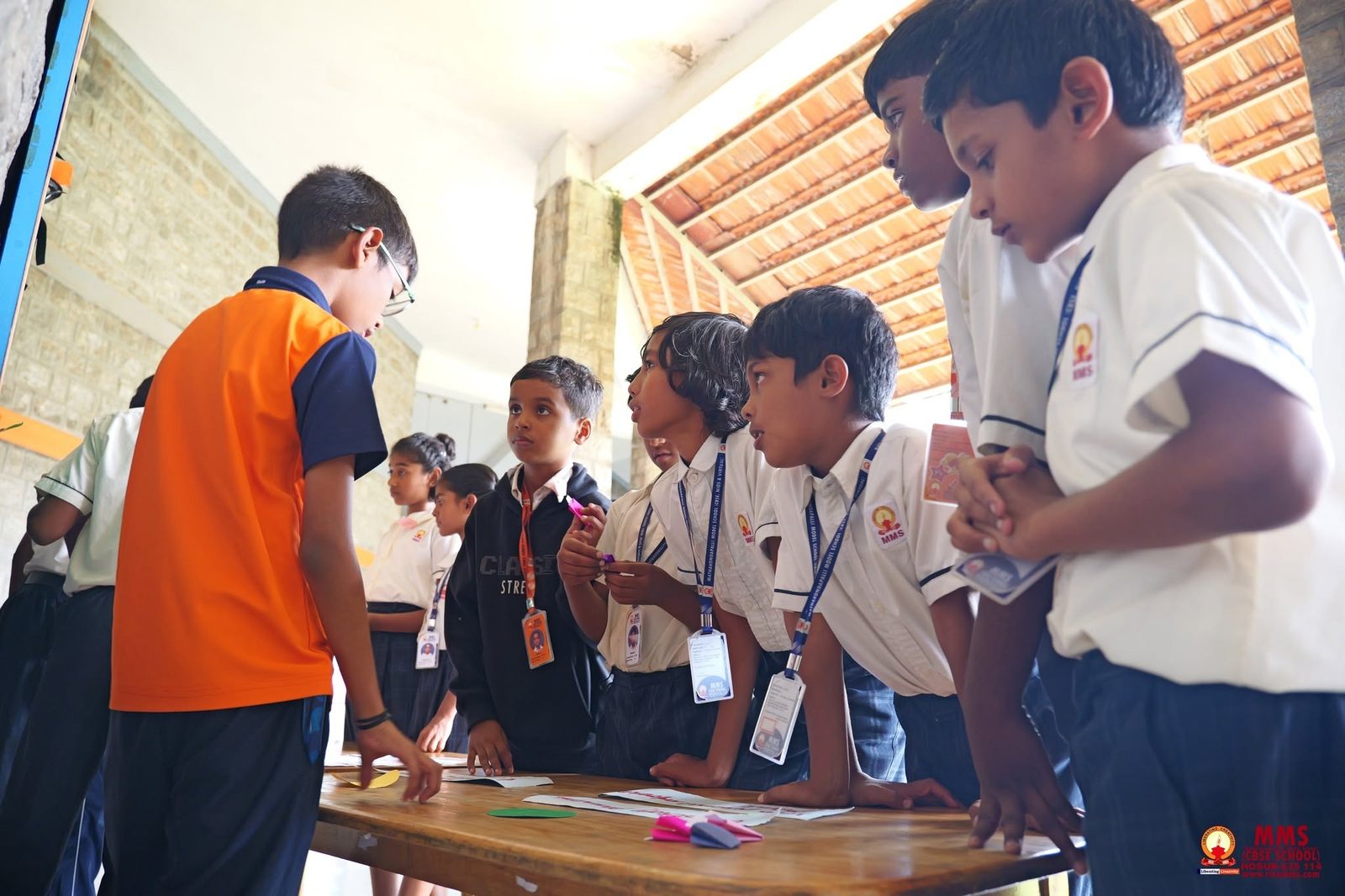
Our second Digital Club session at Mathakondapalli Model School brought cyber safety to life through an exciting unplugged escape-room challenge. Grade 6 student leaders guided Grades 3 to 5 through interactive missions on password safety, phishing awareness and online privacy.
A wonderful blend of student leadership, peer learning and digital awareness, helping young minds become responsible digital citizens. At MMS, every experience is an opportunity to learn, lead and grow.
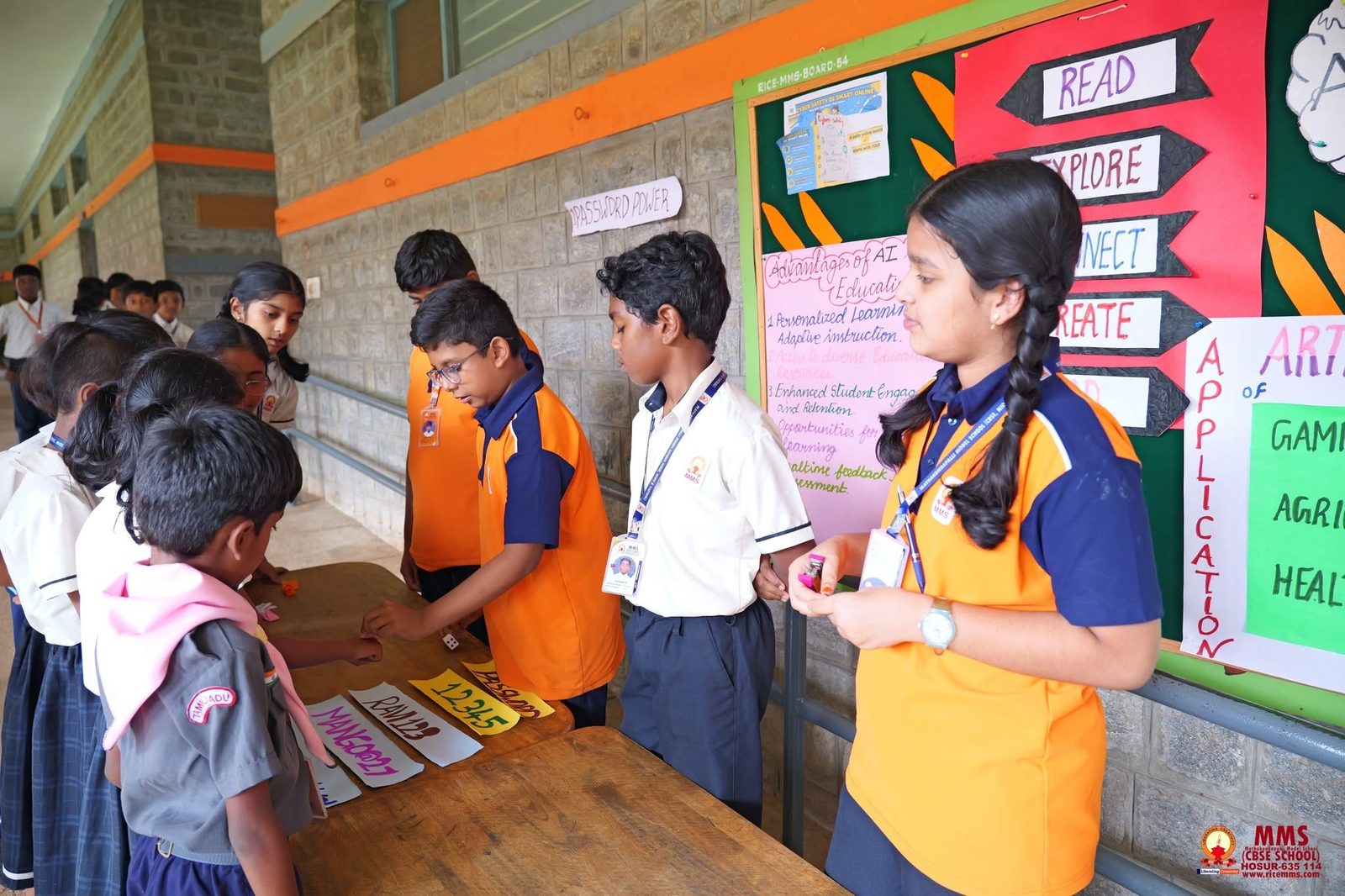
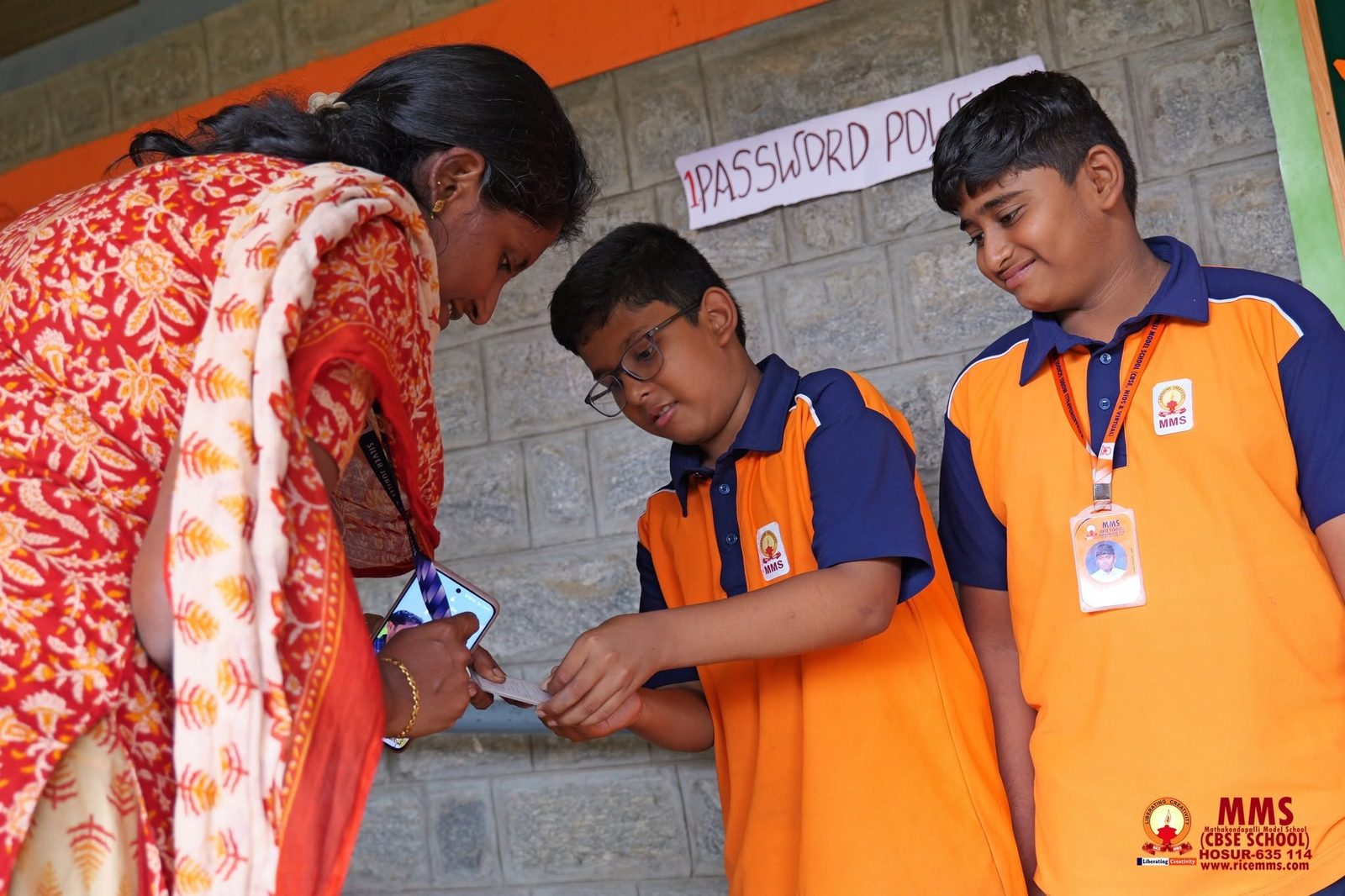
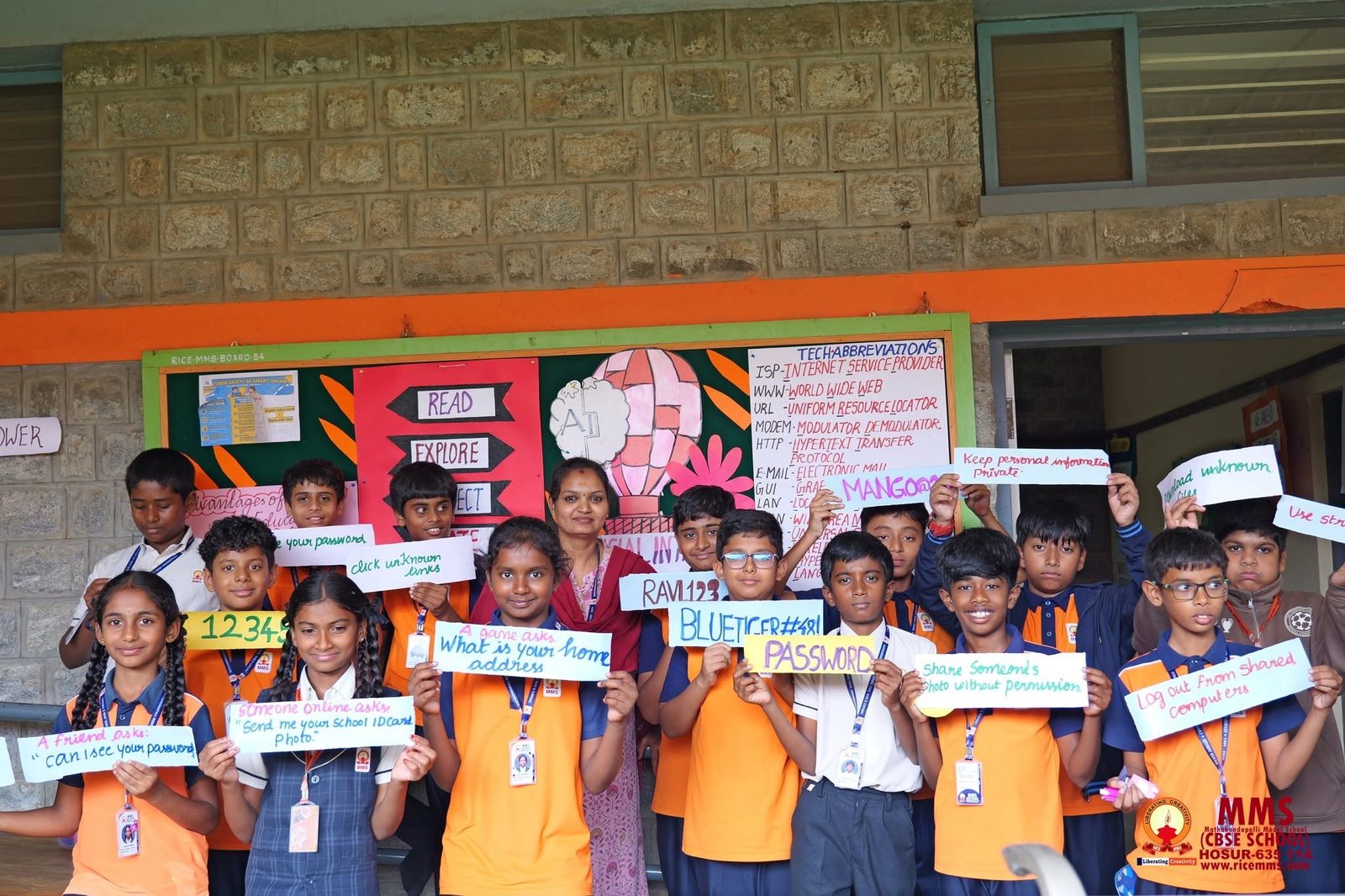
Mission 1: Password Power
Cards with weak and strong passwords and everyday safe habits, such as keeping personal information private and logging out from shared computers.
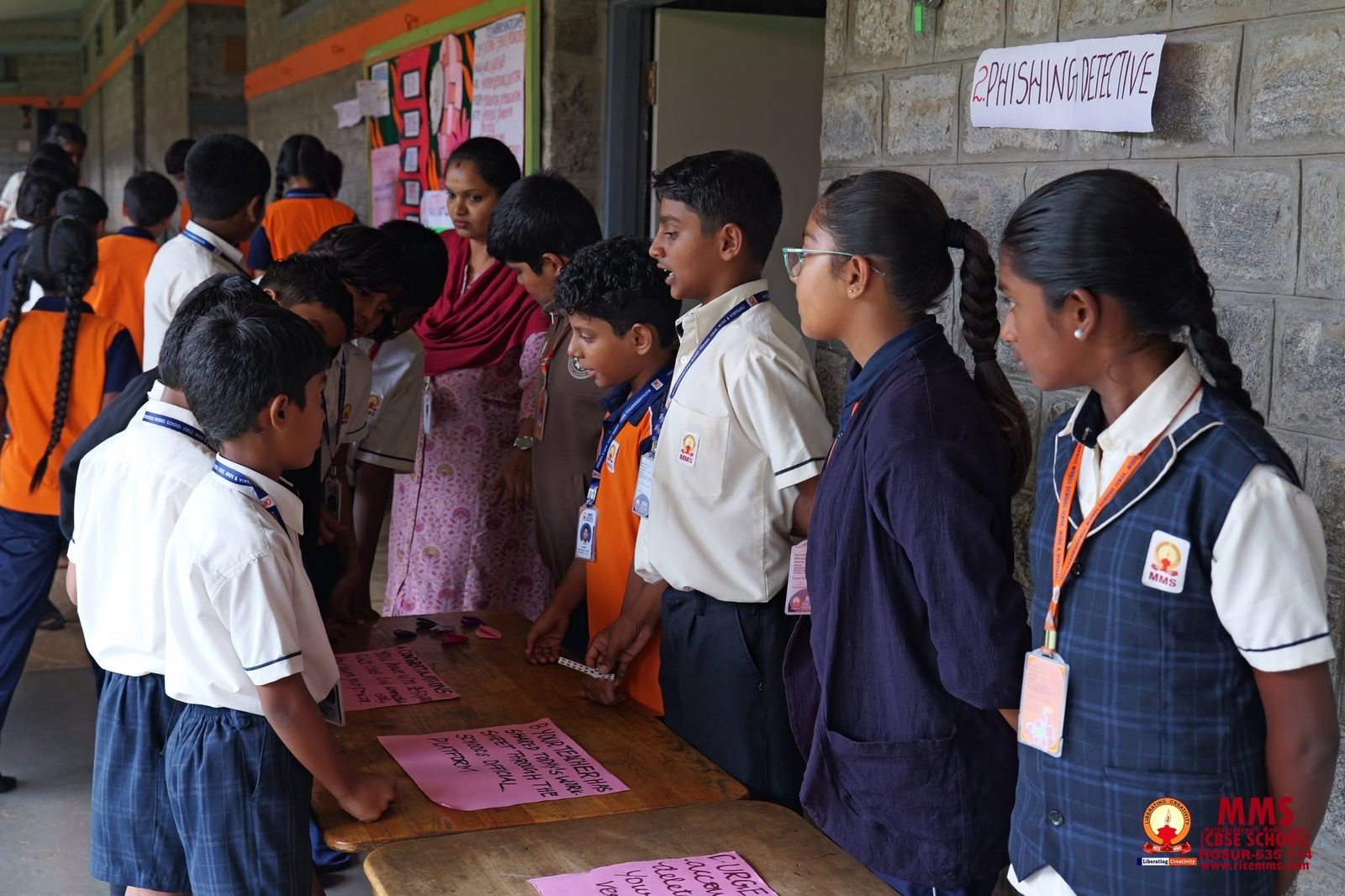
Mission 2: Phishing Detective
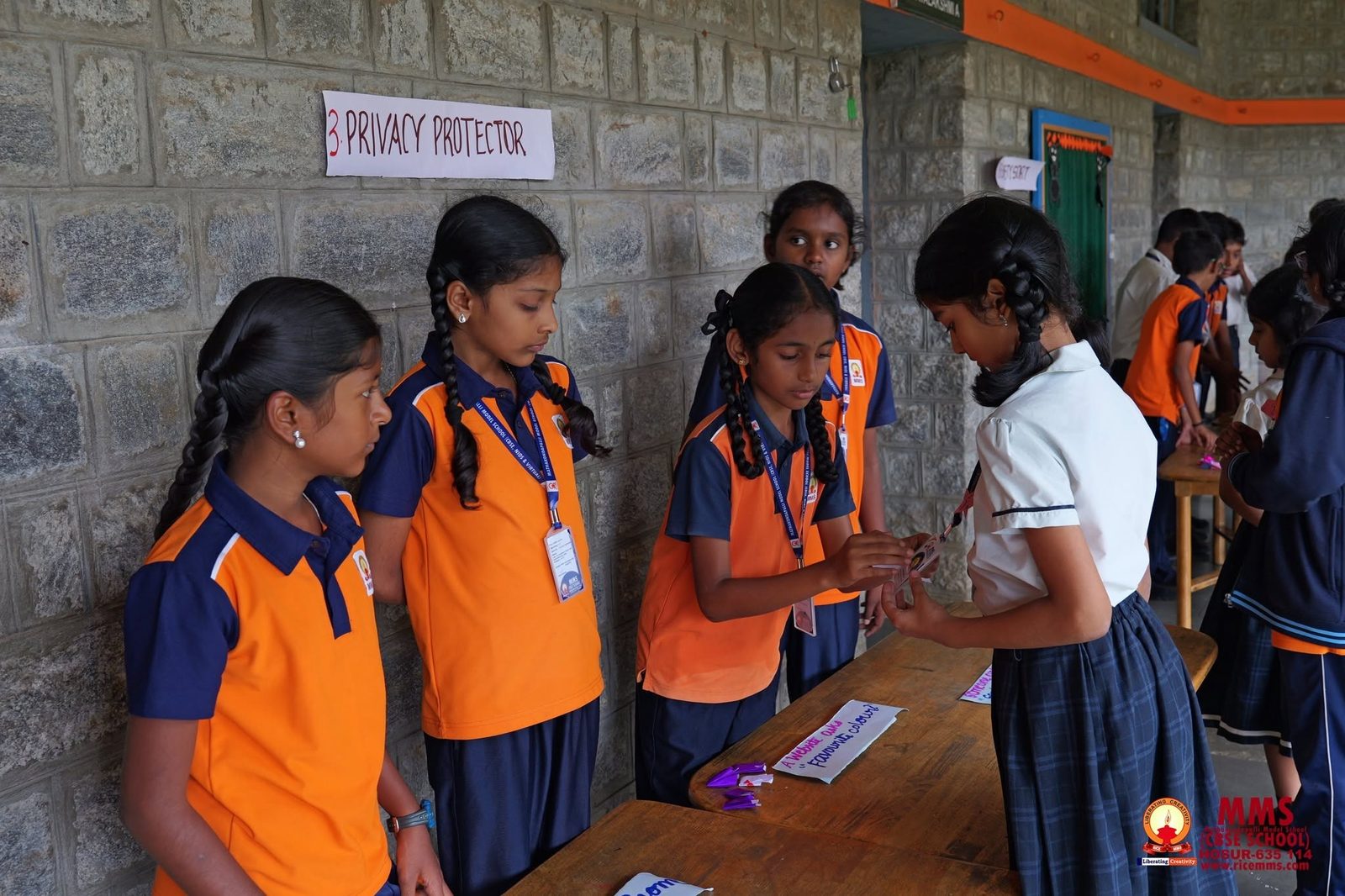
Mission 3: Privacy Protector
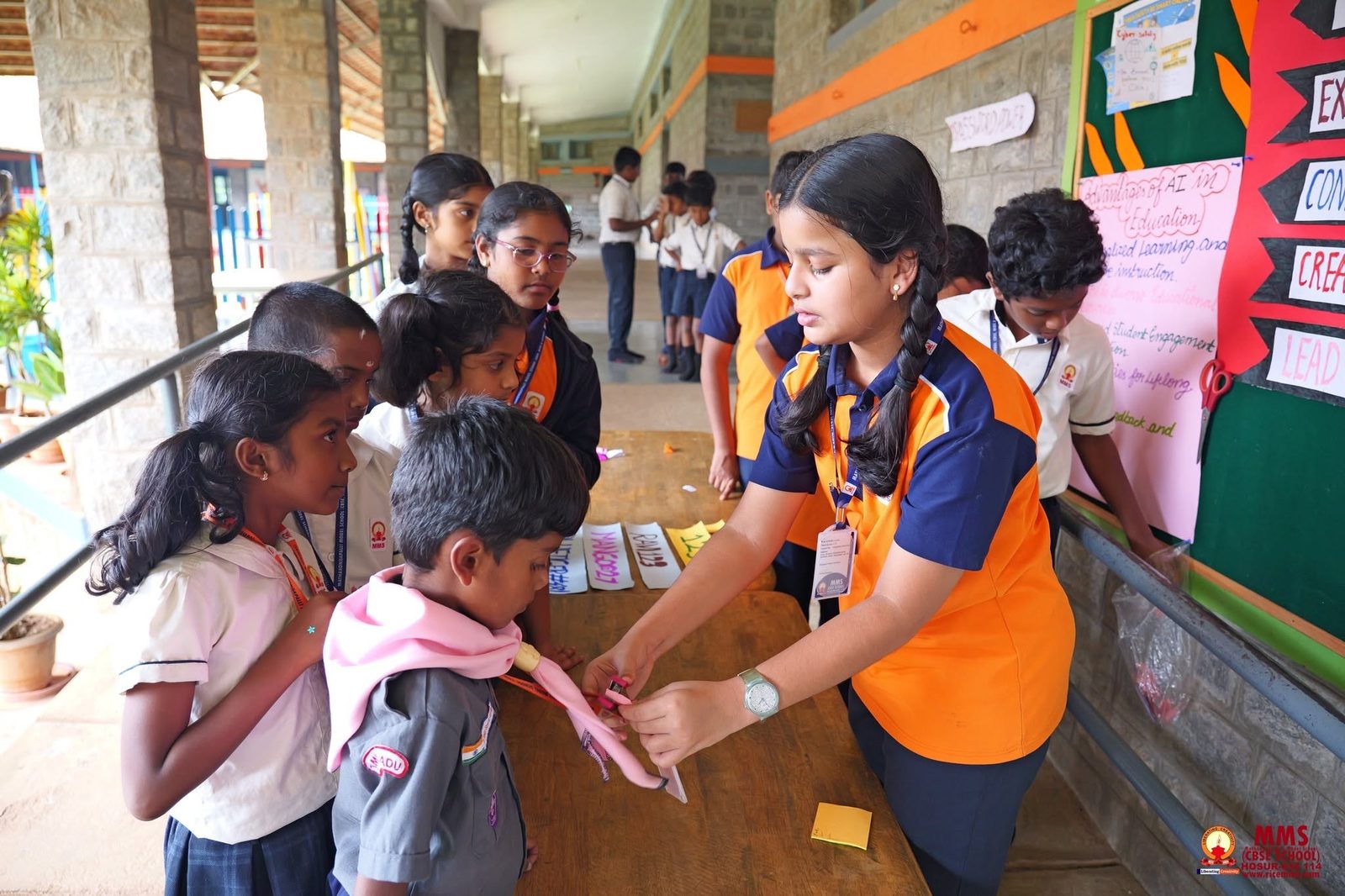
Teamwork in action
Grade 6 student leaders guided the Grades 3 to 5 teams through every mission.
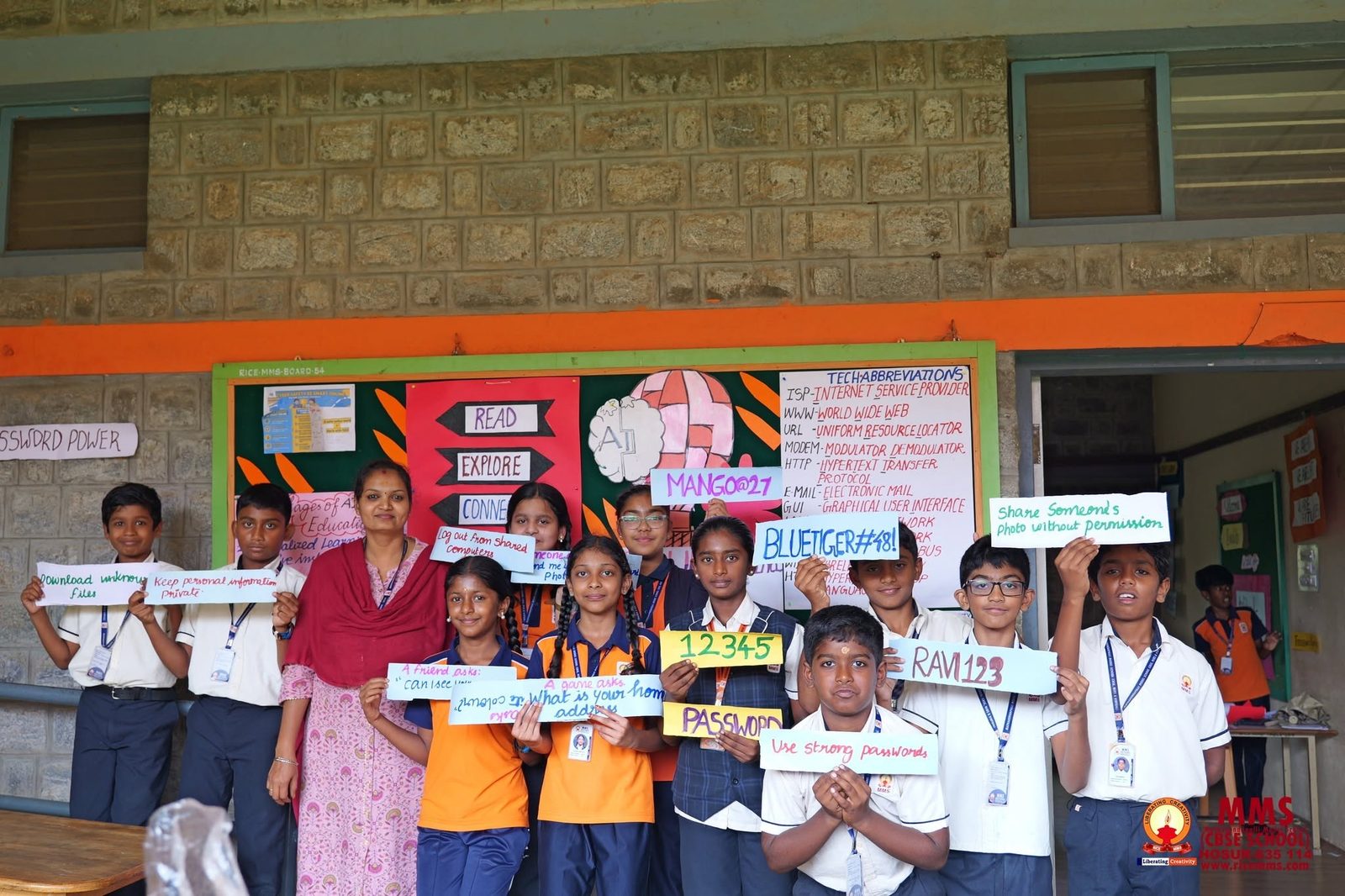
Winners and runners up
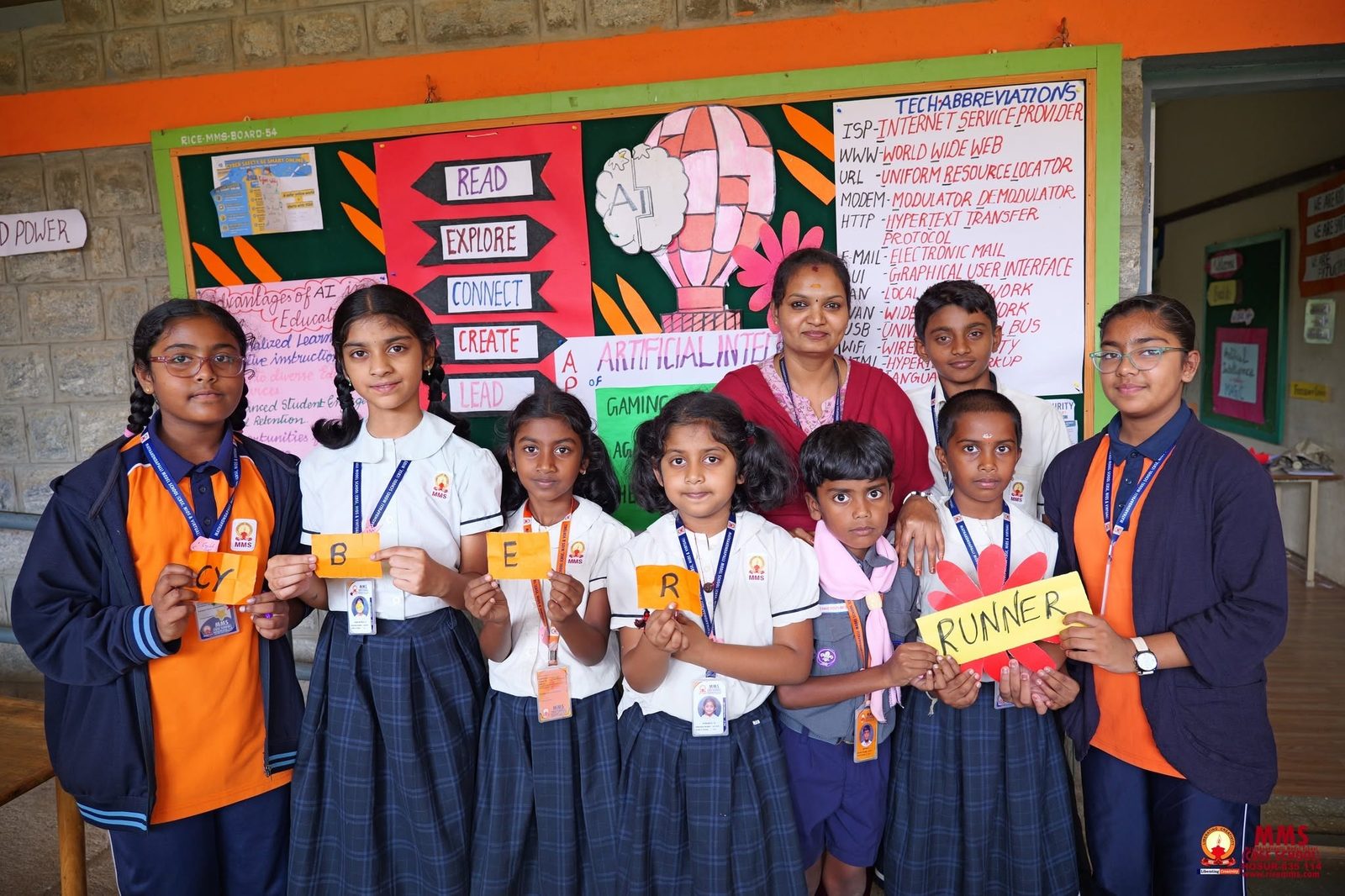
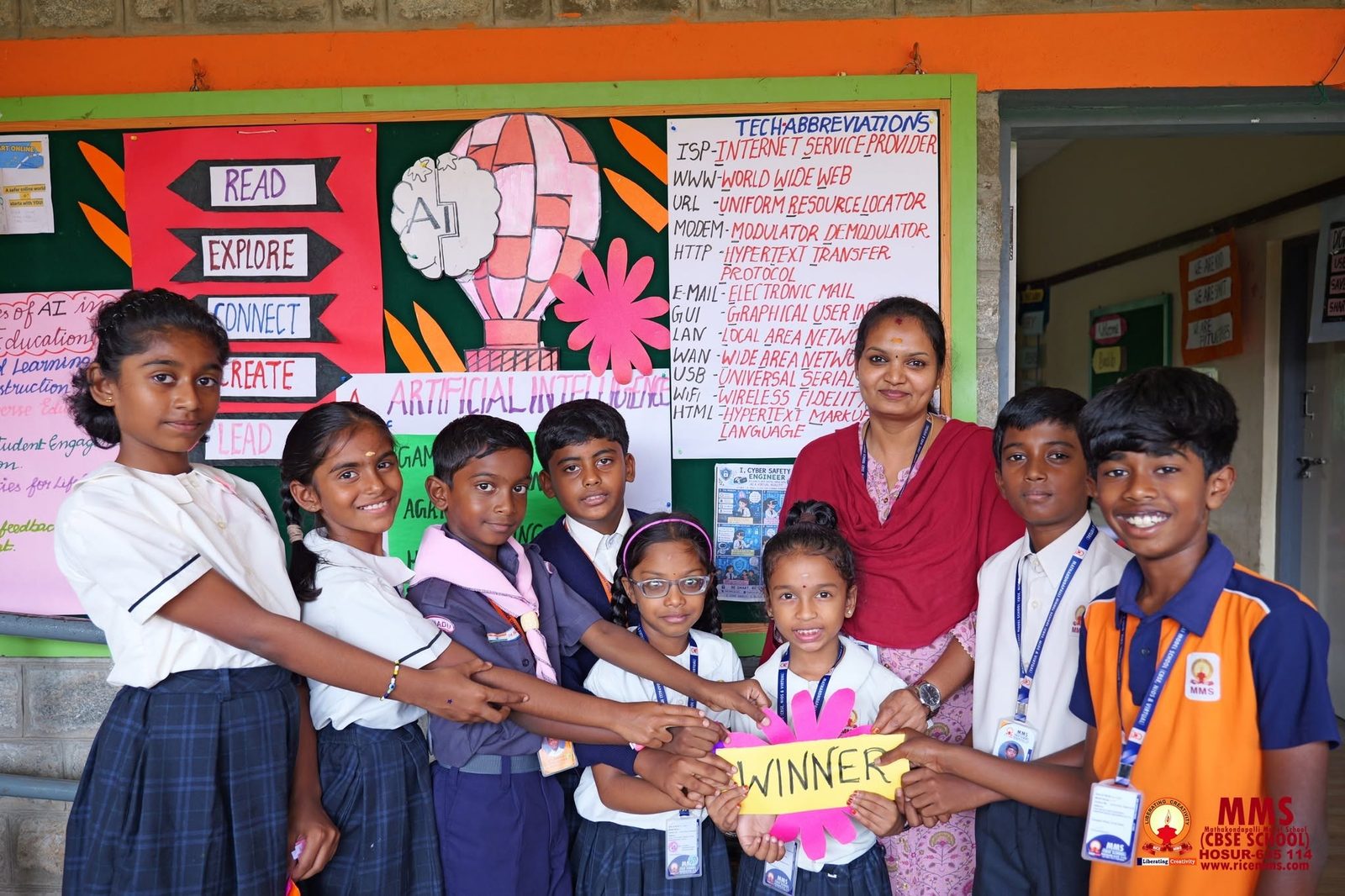
Teams spelled out CYBER with their cards, and the winning team celebrated with the student leaders and their teacher.
Want your child to learn like this? Mobile: +91 8459 200 300 · Email: admission@ricemms.com · www.ricemms.com
Dismantling and Identifying Computer Parts
On 25 October 2025, Tr. Nithya V (Digital Club Incharge), together with ICT Department staff, led a hands-on Project-Based Learning activity for students of Grades 6 to 8, giving them a first-hand understanding of the internal components of a computer system. After a briefing on hardware components and safety measures, students worked in small groups, each with a disassembled or old CPU unit and a basic toolkit.
Each group worked through observation and identification of components, a guided demonstration by ICT staff on what each part does — the CPU for data processing, the HDD/SSD for storage, the motherboard for communication between parts — hands-on dismantling under supervision, a reassembly challenge, and a closing reflection discussion. The activity was designed as a multidisciplinary experience aligned with NEP 2020 and NCF-SE 2023, connecting IT concepts to Science (electronic circuits and energy flow), Engineering (design and structural layout), Mathematics (logical sequencing while dismantling and reassembling) and Language Skills (articulation during group discussion).
Students engaged enthusiastically, asking questions such as “What happens if the CPU fan stops working?” and “How does data move from RAM to hard disk?”, with several groups showing leadership by identifying damaged or missing components and discussing alternatives. Where students initially struggled with smaller components like jumpers and ports, facilitators used step-by-step diagrams and live demonstrations, and peer mentoring helped groups needing more support with complex wiring during reassembly. The hands-on approach made abstract hardware concepts concrete and memorable, and feedback from students reflected excitement and deeper curiosity about computer technology and system design.