COMMUNICATION LAB · EXCHANGE PROGRAM
Korea Collaboration
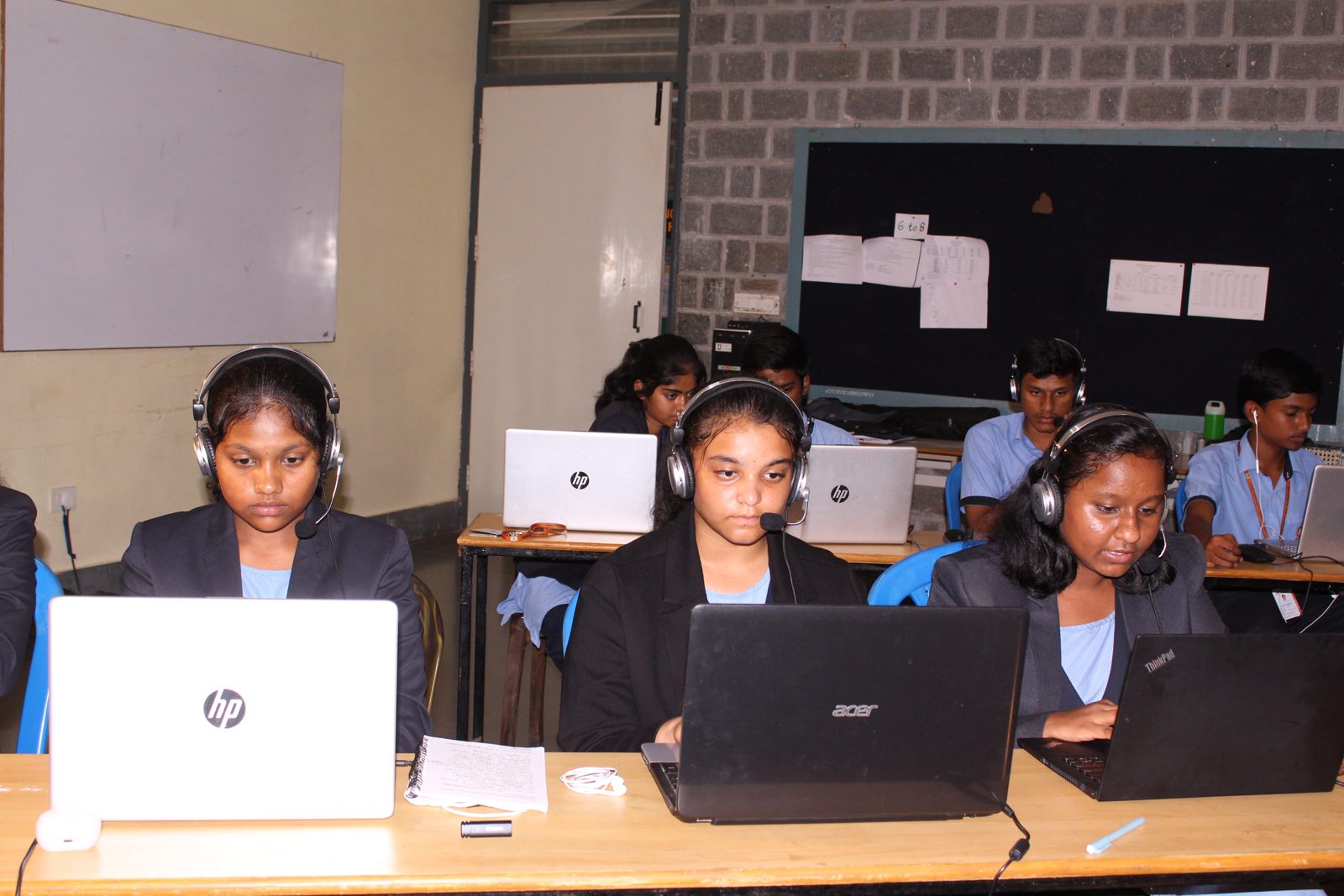
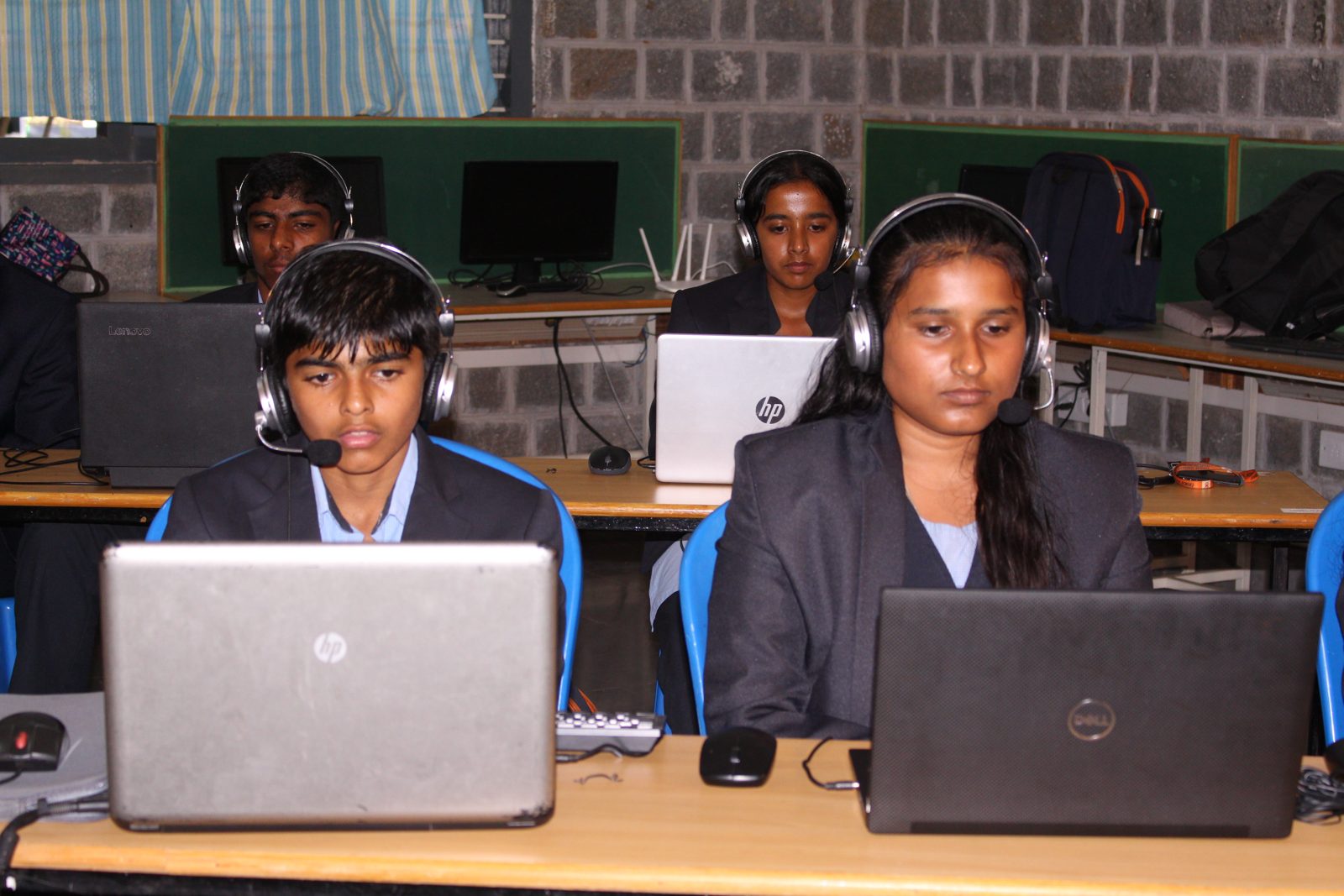
Students of MMS connected live with a Korean educator, greeted each other in Korean and Tamil, and shared India's culture, traditions, dress and food.
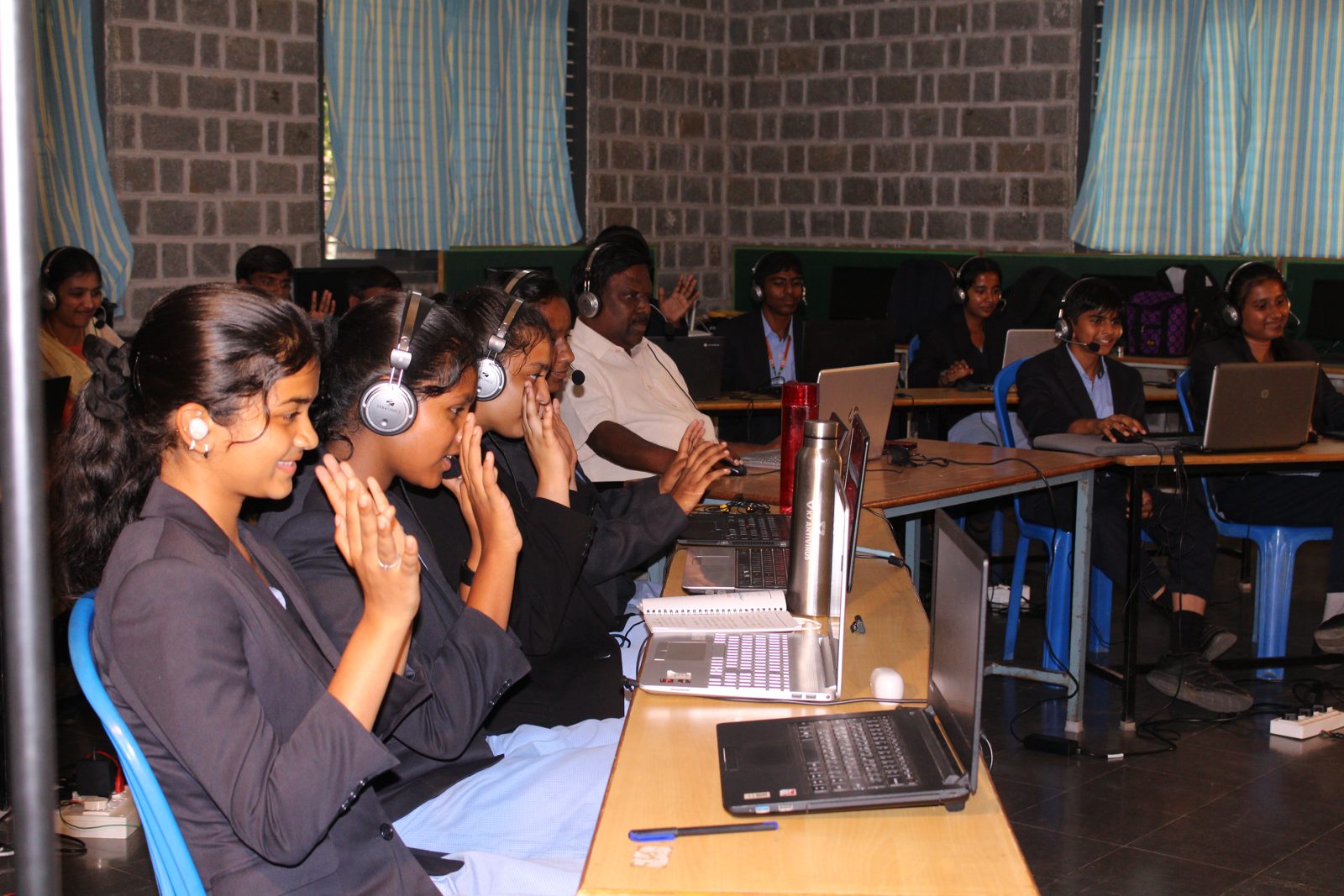
Students of MMS connected live with a Korean educator, greeted each other in Korean and Tamil, and shared India's culture, traditions, dress and food.
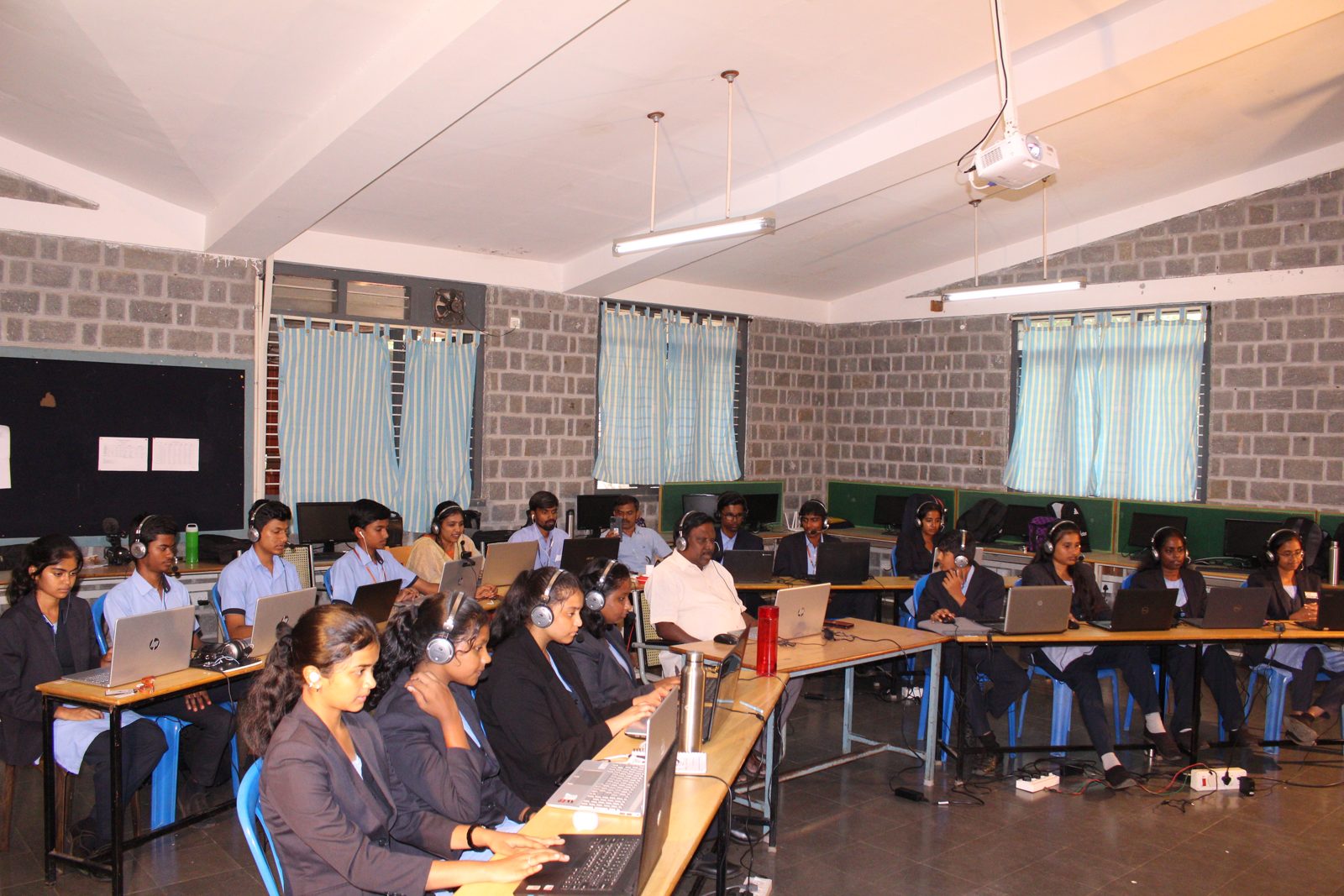
Our students were connected with a Korean educator through the Microsoft Innovative Educator Expert collaboration platform, where educators and learners get to learn from, and be exposed to, the wider world.
Our students greeted their new friends in Korean with “Annyeong”, and were greeted back with a Tamil “Vanakkam”. They shared the culture of India, our traditions, traditional dresses and traditional foods, and the Korean side shared theirs in the same way. Finding words that sound alike, and mean alike, in Tamil and Korean was one of the most exciting parts of the day.
These are some of the similar words our students found exciting to share. Try saying them aloud, and see how close they sound.
| Tamil | Korean | Meaning |
|---|---|---|
| அம்மா · Amma | 엄마 · Eomma | Mother |
| அப்பா · Appa | 아빠 · Appa | Father |
| நான் · Naan | 나 · Na | I |
| நீ · Nee | 너 · Neo | You |
| நாள் · Naal | 날 · Nal | Day |
| புல் · Pul | 풀 · Pul | Grass |
| கொஞ்சம் கொஞ்சம் · Koncham koncham | 조금 조금 · Jogeum jogeum | A little bit |
| அண்ணி · Anni | 언니 · Eonni | Elder sister / sister-in-law (close in sound; the exact relation differs) |
| வா · Vaa | 와 · Wa | Come |
| Tamil | Korean | Meaning |
|---|---|---|
| வணக்கம் · Vanakkam | 안녕하세요 · Annyeonghaseyo | Hello / greetings |
| நன்றி · Nandri | 감사합니다 · Gamsahamnida | Thank you |
A note for curious learners: these similarities are fun to notice and talk about. Linguists have not established that Tamil and Korean are related languages, and many sounds, such as those for “mother” and “father”, appear in languages all over the world. Read more in The News Minute and Homegrown.
The collaboration connects directly to the aims of the CBSE Social Science curriculum, and brings languages, ICT and communication skills together in one real experience.
Understand the diversity of people and their practices across societies, regions and cultures, by comparing dress, food, traditions and greetings of two countries.
Build values of inclusion, fraternity and respect for diversity, by listening to and learning from children whose culture is different from their own.
Appreciate India's rich cultural heritage and unity in diversity (CBSE Curricular Goal 6), while recognising interdependence and collaboration between societies.
Greet each other in more than one language, notice similar words in Tamil and Korean, and compare how the two languages are written and spoken.
Use a global collaboration platform responsibly and confidently to learn with people in another country.
Prepare, present and take turns in a live session, communicating clearly with an audience abroad, and working as a team.
Organised the collaboration and brought it to our students.
Supported Tr. Sujitha and the students in making the session happen.
Whose vision turned the idea of connecting our children with the world into reality.
See our other outreach programs and the Communication Lab.